




Looking for a quick overview? For a clear and practical guide to understanding and treating acne with the right skincare, lifestyle tweaks and expert support, head to our Ultimate Guide to Acne.

Clear Skin Decoded: An Expert Guide to Treating Adult and Hormonal Acne
Struggling with adult or hormonal acne? Learn how to identify your blemish type, how to protect your skin barrier and how to get rid of acne with expert advice.

Nobody warns you that acne can sometimes outlast your teenage years. One day you’re 28, mid-meeting, and you catch yourself worrying about a cystic spot on your chin like it’s 2009 again.
It is an incredibly exhausting cycle: you buy a highly reviewed serum, wait weeks for results and end up with irritated skin, patchy flaking and a fresh cluster of painful blemishes.
Understanding what is acne from a true clinical perspective is the crucial first step toward breaking this cycle and permanently reclaiming your skin health. But first, know this: acne is fundamentally not a personal hygiene issue, nor is it a reflection of your cleanliness. Instead, it is a complex, multi-faceted inflammatory condition that requires targeted, expert-guided solutions. Luckily, that’s why Lighthouse exists, so you’re in the right place.
To get rid of acne - and yes, this is entirely possible - we need to identify your specific blemish type, actively repair your skin barrier and introduce dermatologist-grade actives that target the root biological causes of cellular inflammation. While there is no universal overnight fix, a structured, clinical approach can restore clarity, health and confidence to your skin.
This guide will walk you through everything you need to know about clearing, treating and getting rid of hormonal acne.
Skincare For Acne Prone Skin
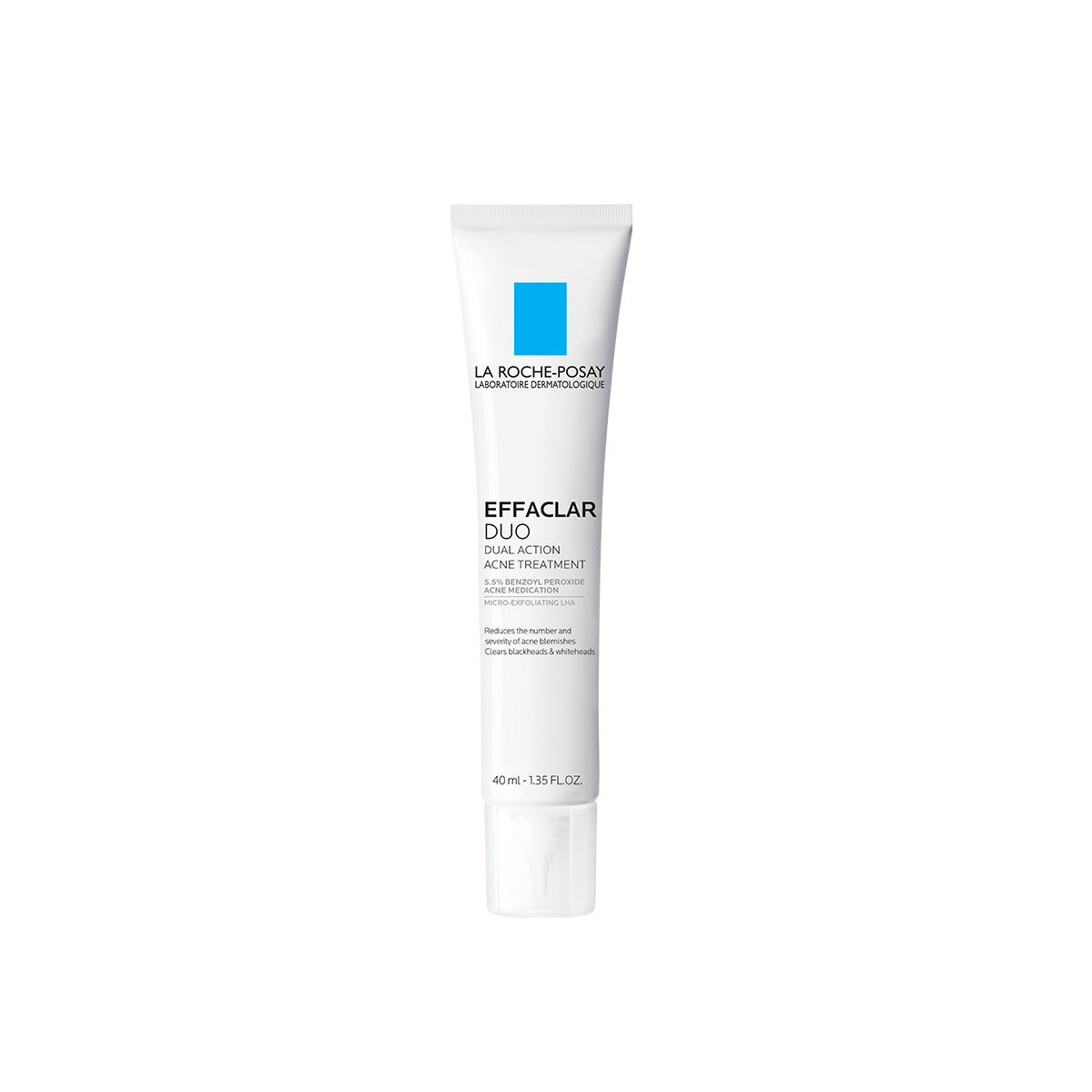
Effective acne care starts with the right formulations. Our skincare for acne-prone skin is dermatologist-approved to help reduce breakouts, calm inflammation, and support a healthy skin barrier.
Content Chapters
What Causes Acne?
Let’s get into the science. At its core, breakouts occur when the natural physiological processes of your skin become misaligned. Your skin constantly produces sebum, an oily substance designed by nature to keep your skin hydrated and protected, and sheds dead skin cells. When these skin cells shed improperly due to sluggish cellular turnover, they stick together, trapping excess oil inside the narrow pore and creating a hard plug known as a comedone.
That trapped pore becomes the perfect breeding ground – airless, oily, exactly what bacteria love (specifically cutibacterium acnes, a naturally occurring bacterium on the skin surface). This triggers an immune response, leading to the redness, swelling and physical discomfort we recognize as active blemishes.
How badly you break out often comes down to genetics, inflammation and hormones – not how well you cleanse. None of this is your fault and help is at hand.

Identifying Your Acne
Here’s the thing about acne: treat the wrong type, and you can actually make it worse. Dermatologists categorize acne into non-inflammatory and inflammatory types, each requiring a completely distinct therapeutic path to healing.
These are the most common types of acne you might experience:
Fungal Acne vs Hormonal Acne
It is incredibly common to confuse completely different types of breakouts, particularly when evaluating the differences between fungal acne vs hormonal acne. Fungal acne is not actually acne at all; it is an infection of the hair follicles caused by an overgrowth of yeast known as Malassezia. This specific condition typically presents as uniform, tiny, intensely itchy bumps concentrated on the forehead, hairline, chest and upper back.
If you want to know how to identify fungal acne, look closely at the defining physical symptoms: if the bumps are itchy, uniform in size and completely unresponsive to traditional over-the-counter acne treatments, yeast is likely the culprit. Learning how to clear fungal acne requires specialized antifungal topical treatments rather than standard antibacterial ingredients.
Conversely, if your breakouts fluctuate rhythmically with your monthly cycle and present as deep, tender blemishes on the lower third of the face, you are likely dealing with a hormonal imbalance. Knowing how to treat fungal acne means leaving behind heavy botanical oils and opting for targeted ingredients instead that inhibit yeast proliferation while keeping the skin beautifully balanced.
Cystic Acne vs Hormonal Acne
When evaluating deep, painful lesions, patients frequently ask our medical team about the differences regarding cystic acne vs hormonal acne. Hormonal acne is a broad umbrella term for breakouts triggered by fluctuations in endocrine levels, which often manifest as a combination of surface papules, pustules and deep nodules.
Cystic acne, however, represents the most severe form of inflammatory acne, characterized by large, fluid-filled pockets resting deep beneath the surface of the skin.
If you are consistently wondering, “Why am I getting cystic acne?”, the answer usually lies in a combination of genetic predisposition and high oil production. Understanding what causes cystic acne involves recognizing that severe inflammation can rupture the pore wall deep within the dermis, causing the localized infection to spread horizontally beneath the skin surface.
If you want to understand how to get rid of cystic acne permanently, professional guidance is essential to minimize deep tissue damage and prevent permanent structural scarring.
Book a Lighthouse skin quiz and one of our dermatologists will be able to give you advice on how to treat cystic acne.
Comedonal Acne
Before inflammatory blemishes develop, they often begin as a non-inflammatory variation known as comedonal acne. This specific type of breakout occurs when a mixture of stagnant sebum and dead skin cells forms a physical plug within the hair follicle, resulting in a rough, uneven skin texture.
When the plugged pore remains trapped beneath the surface of the skin, it manifests as a face-colored bump called a closed comedone (or whitehead). If the pore stretches open and exposes this trapped mixture to the air, the debris oxidizes, turning dark brown or black to form an open comedone (or blackhead).
Managing comedonal acne effectively requires targeted, oil-soluble exfoliants that can physically penetrate the pore lining to dissolve these stubborn plugs before localized bacteria can trigger deeper inflammation.
Browse our skincare for acne-prone skin here. Remember, it’s important not to overuse exfoliants, as this will exacerbate the problem. Let’s dive into why this happens.
The Skin Barrier Connection
When individuals struggle with persistent, aggressive breakouts, their immediate instinct is often to scrub the skin or apply highly aggressive, drying acids. However, over-stripping your skin destroys the delicate lipid barrier - the protective outermost layer that keeps essential moisture in and harmful environmental bacteria out.
When this barrier is compromised, moisture evaporates rapidly, leaving the skin dehydrated, sensitive and highly vulnerable to external triggers.
A damaged skin barrier directly accelerates the blemish cycle. To compensate for the sudden, unnatural dryness, your oil glands go into overdrive, producing a surplus of thick sebum that easily plugs weak, irritated pores. Simultaneously, a broken barrier allows bacteria to penetrate more deeply, transforming minor blockages into large, inflamed lesions.
To halt this cycle, read our clinical guide to restore equilibrium before layering intense actives.

Adult vs Teen Acne
Many adults feel deeply frustrated when they continue to experience breakouts well into their twenties, thirties and beyond, believing acne is solely a teenage rite of passage. In reality, adult acne behaves quite differently from teenage breakouts.
Teen acne is primarily driven by the dramatic surge of growth hormones during puberty, usually resulting in widespread blackheads, whiteheads and pustules across the oily T-zone of the forehead, nose and chin.
In contrast, hormonal acne causes in adults are intimately tied to chronic stress, fluctuating hormones and lifestyle factors. When you experience prolonged stress, your adrenal glands produce higher amounts of the hormone cortisol. Elevated cortisol levels directly stimulate your sebaceous glands, increasing oil production and initiating a fresh wave of breakouts.
Furthermore, adult breakouts typically present along the “U-zone” – the jawline, chin and lower cheeks. These stubborn, deep-seated blemishes occur because adult skin undergoes a naturally slower cell turnover rate than younger skin, making it more difficult for the skin to naturally clear away trapped cellular debris. To address these unique adult triggers, learning how to treat hormonal acne effectively requires a specialized routine that balances cellular renewal with deep, restorative hydration.
Exploring Over-The-Counter Treatments For Acne
Managing adult breakouts requires a consistent, scientifically validated hormonal acne skincare routine that addresses inflammation without inducing counterproductive irritation. A common misconception is that oily, breakout-prone skin doesn’t require additional hydration.
However, withholding moisture will only cause your skin to overproduce sebum. Incorporating lightweight, non-comedogenic hydration is essential; read our deep dive, Does Hyaluronic Acid Help Acne, to understand how proper hydration calms inflammatory pathways.
The Dermatologist-Approved Blueprint
No, you don’t need 12 steps. Here are the five that actually matter:
1 Cleanse
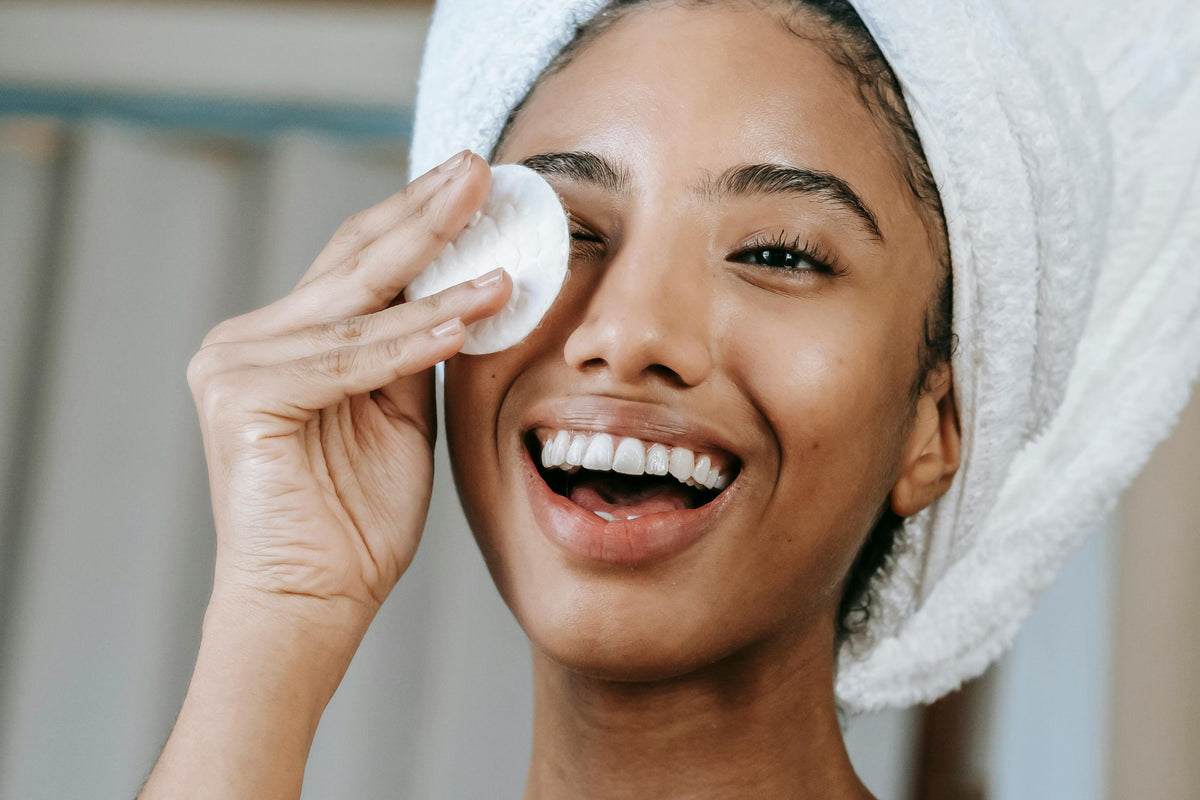
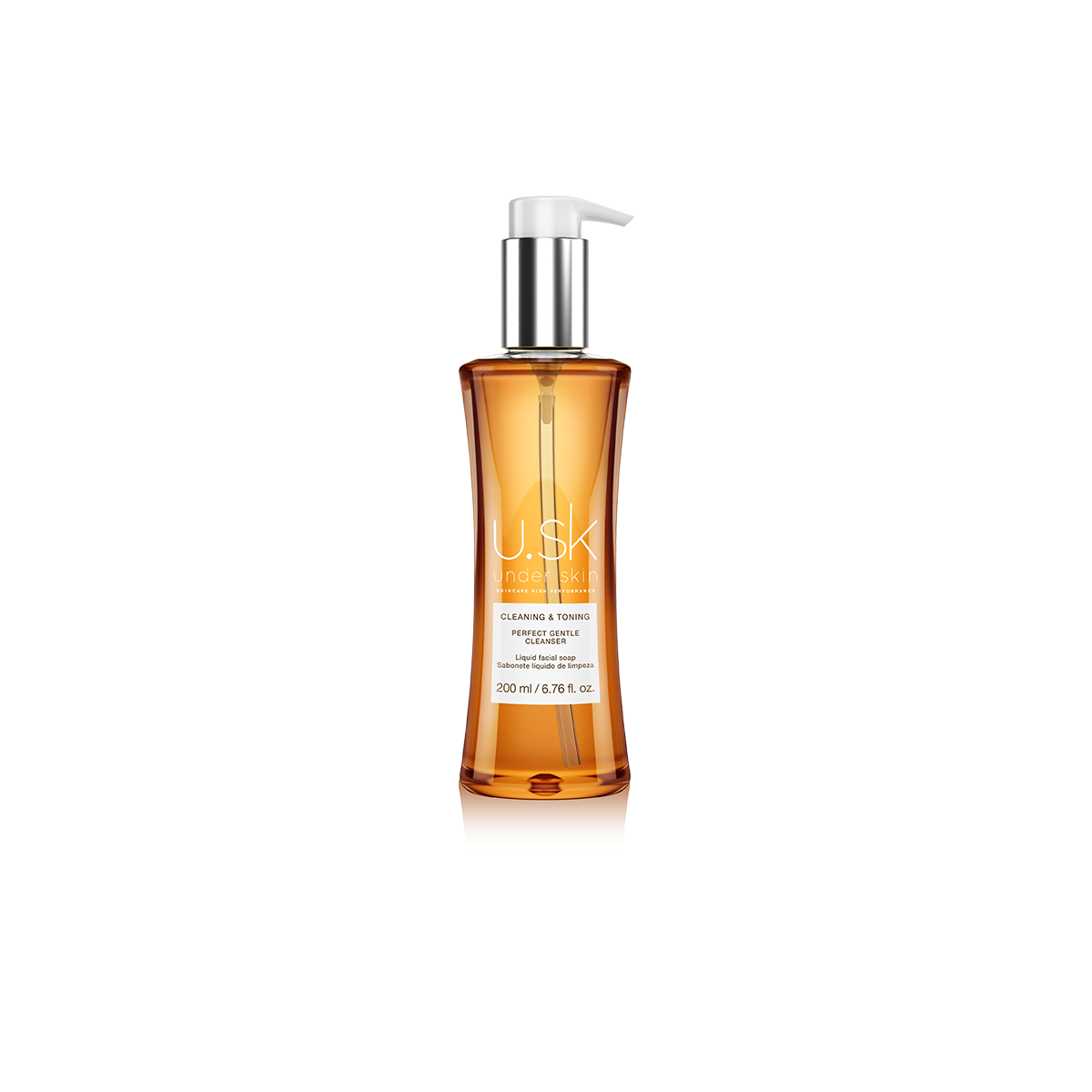
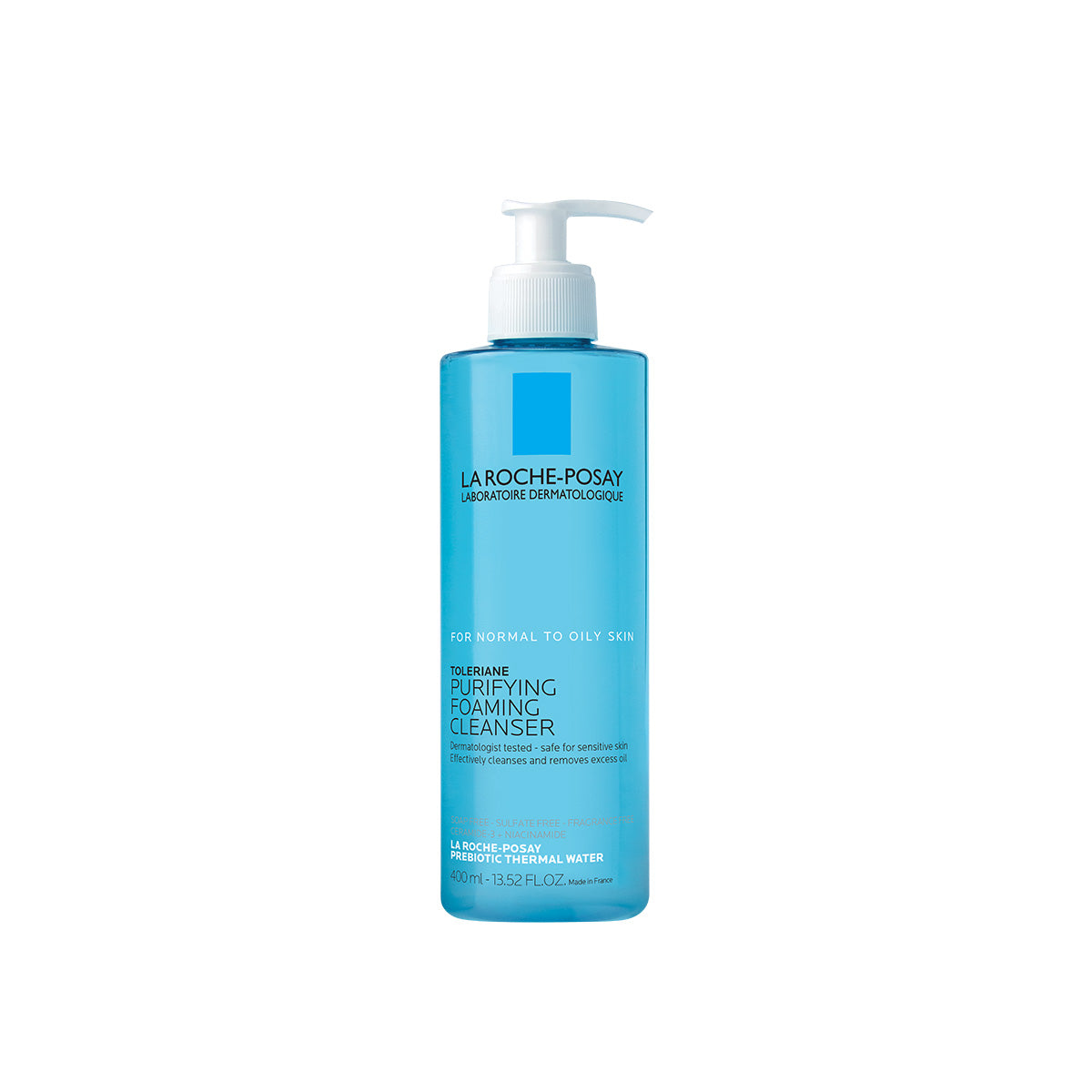
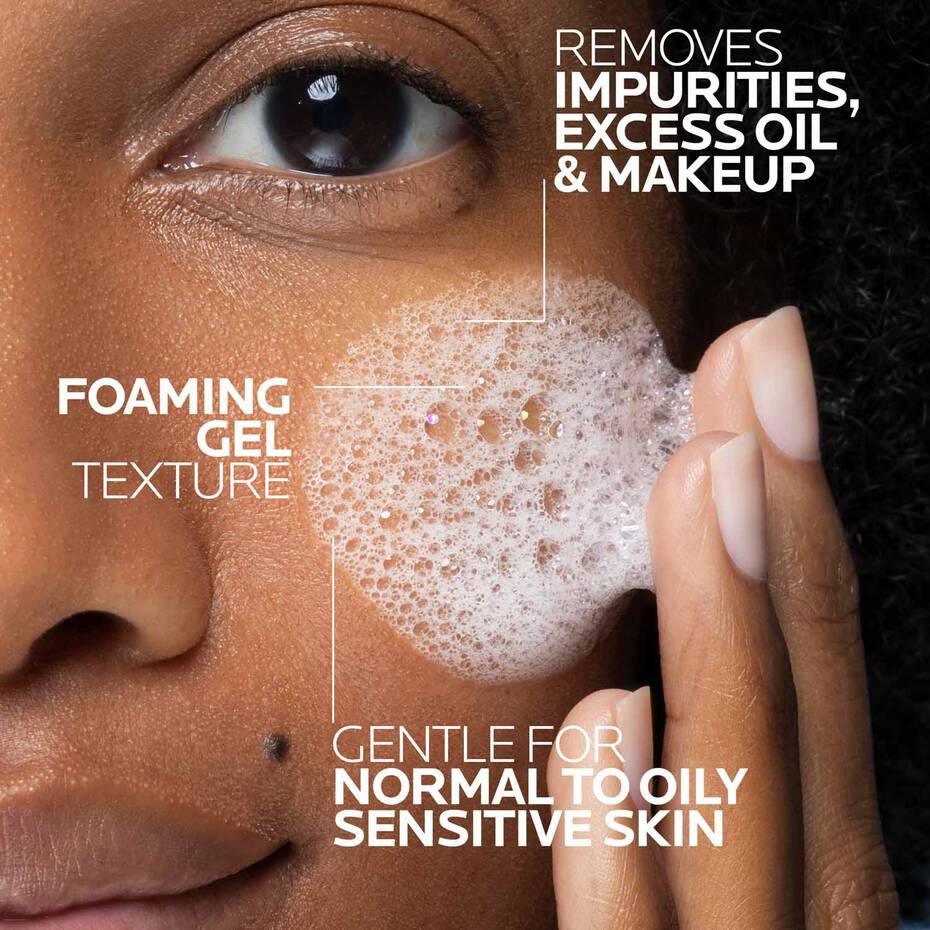
Use a sulfate-free, gentle foaming cleanser morning and night to remove pollutants and surface oils without disrupting the acid mantle.
2 Exfoliate (gently)
Apply a beta-hydroxy acid (BHA) like salicylic acid two to three times a week to dissolve oil deep inside the pores.
3 Hydrate
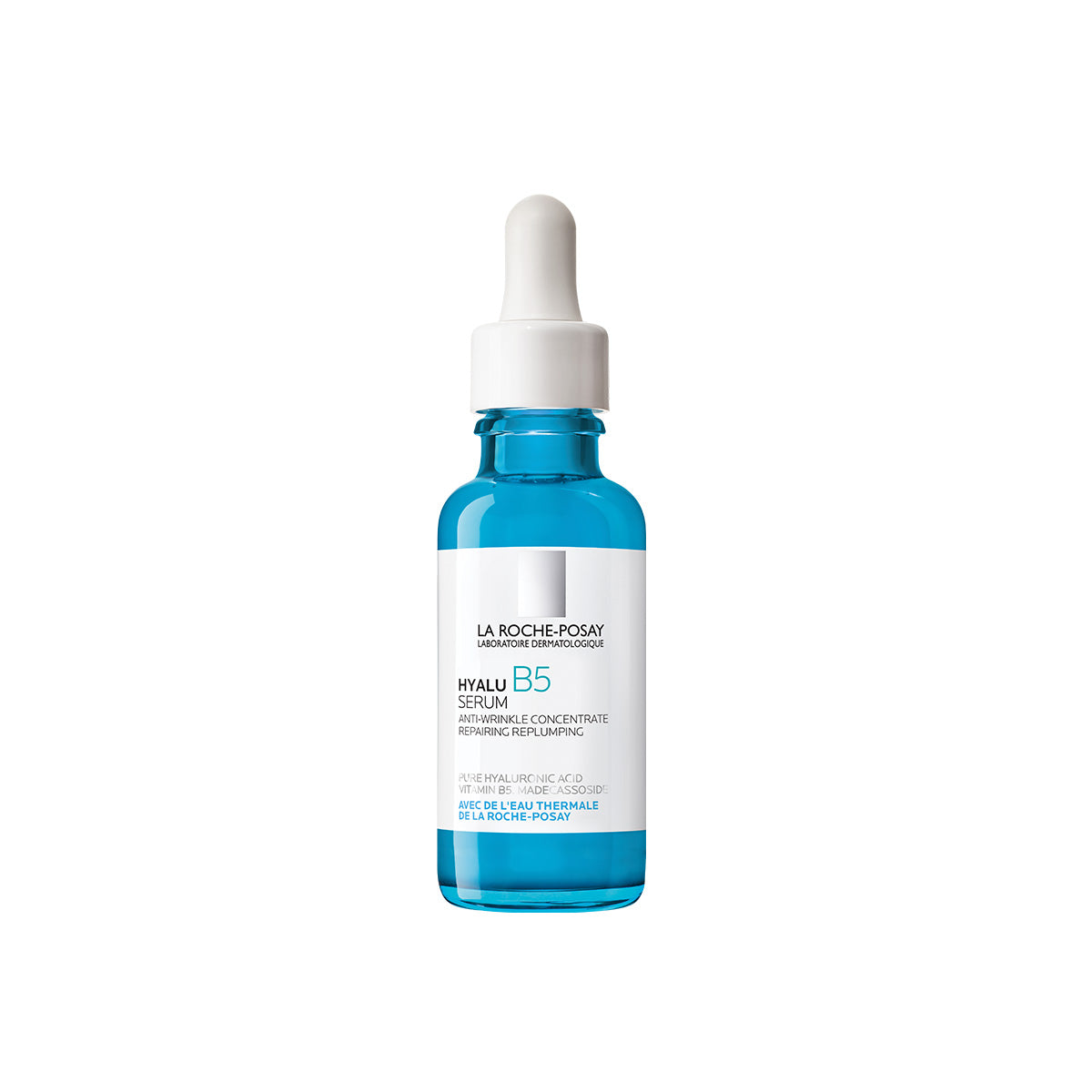
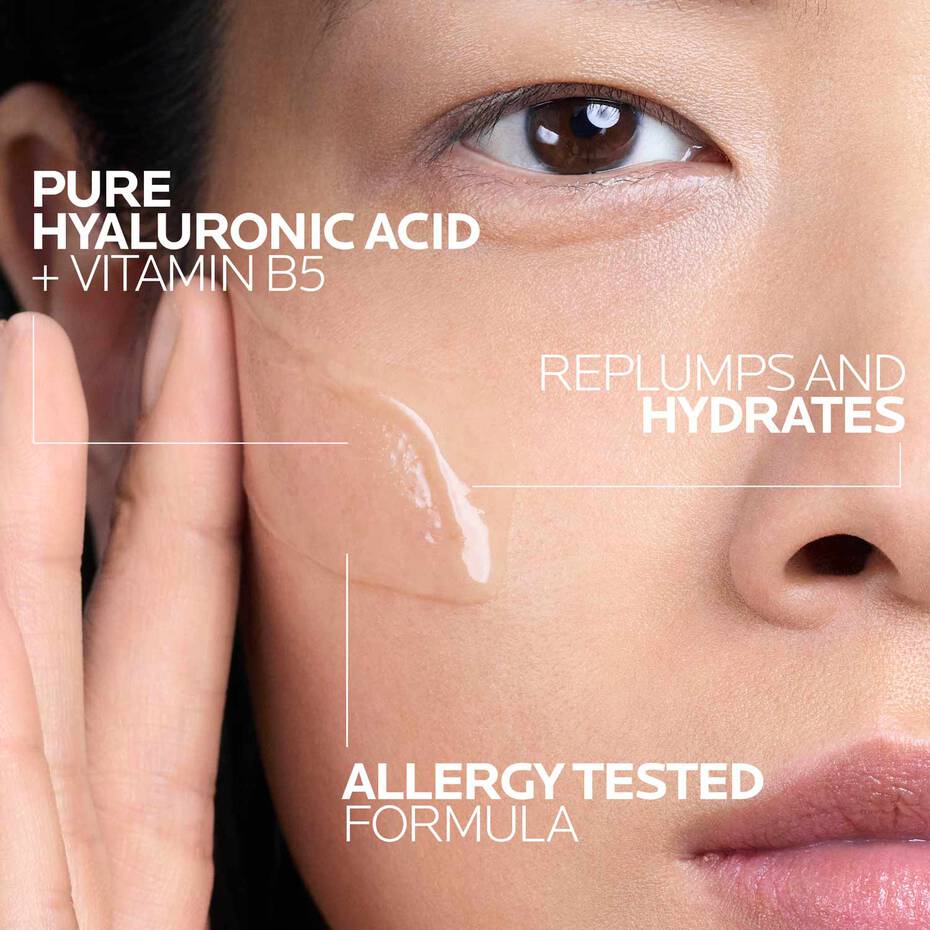
Layer a soothing hyaluronic acid serum followed by a lightweight, matte-finish moisturizer to seal in water content.
4 Treat
Introduce an evening retinoid to accelerate cellular turnover, keeping pores clear of dead skin buildup.
5 Protect
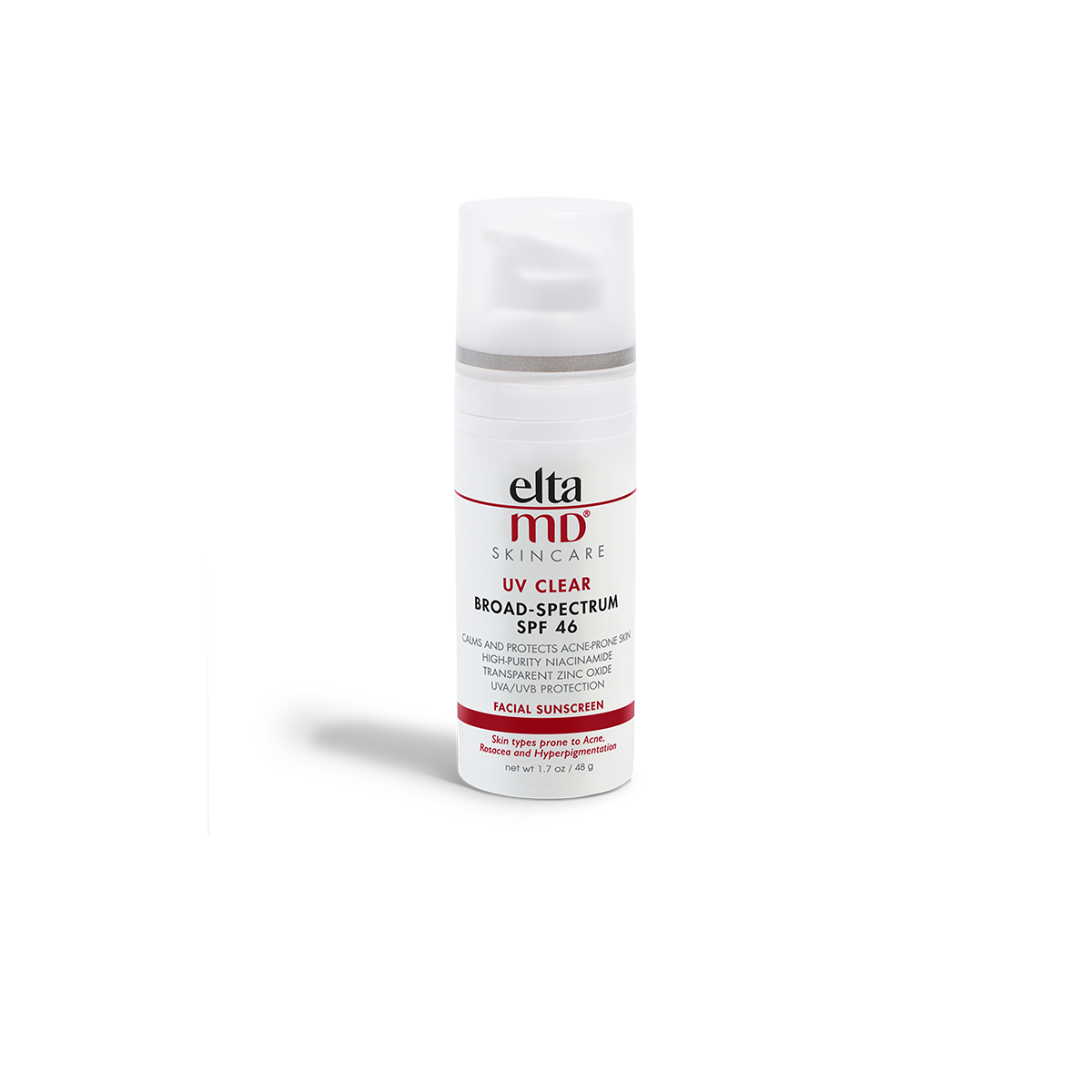
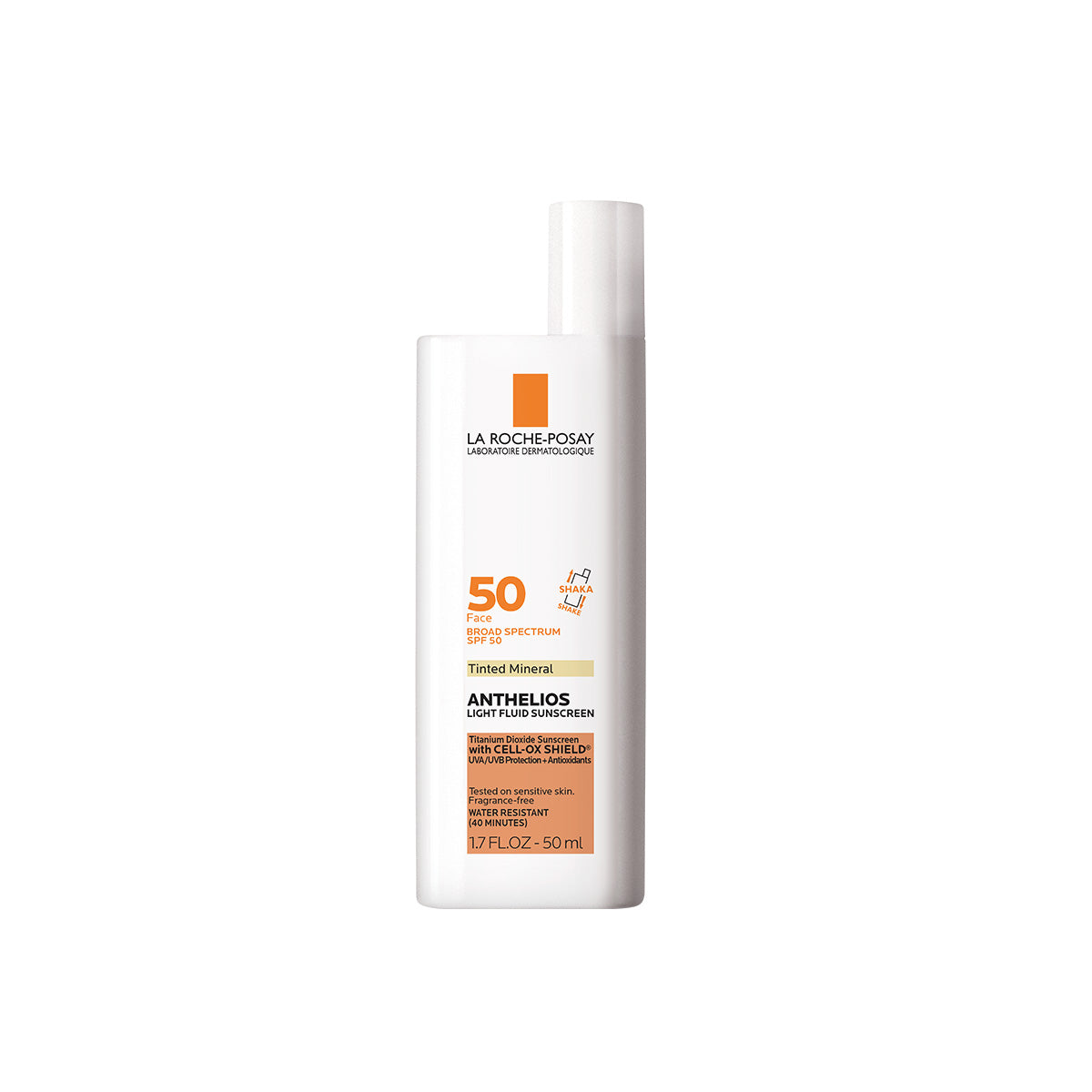
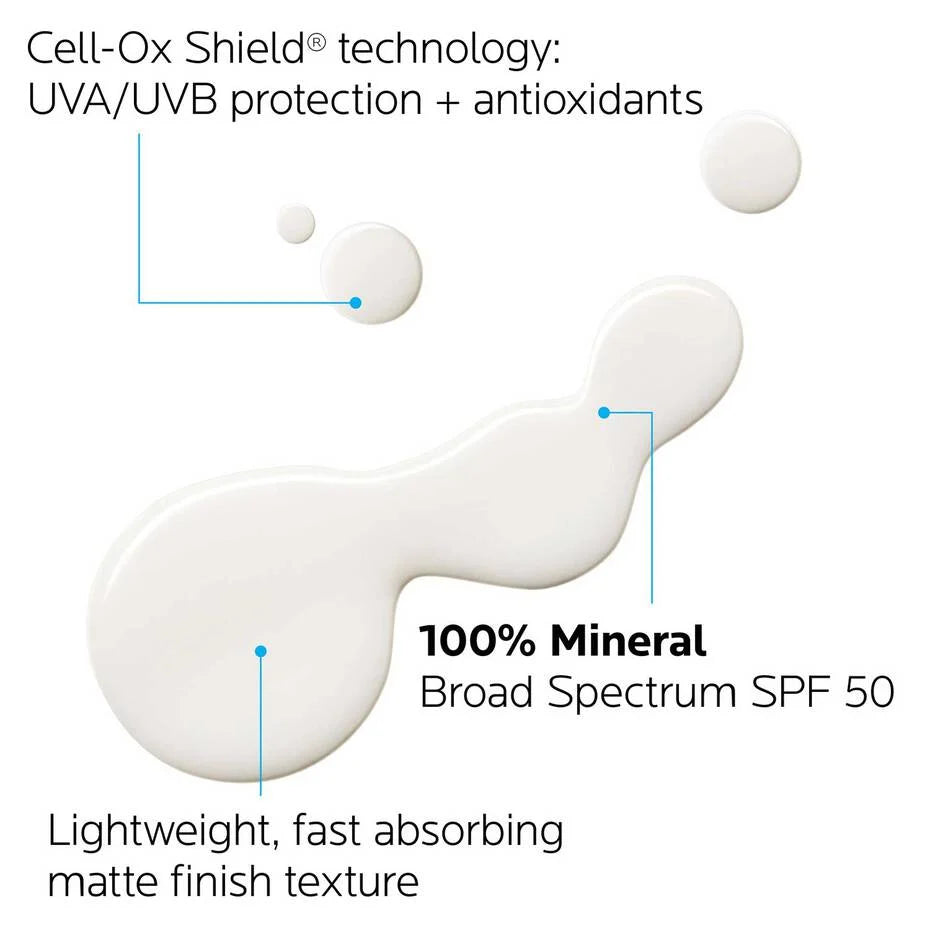
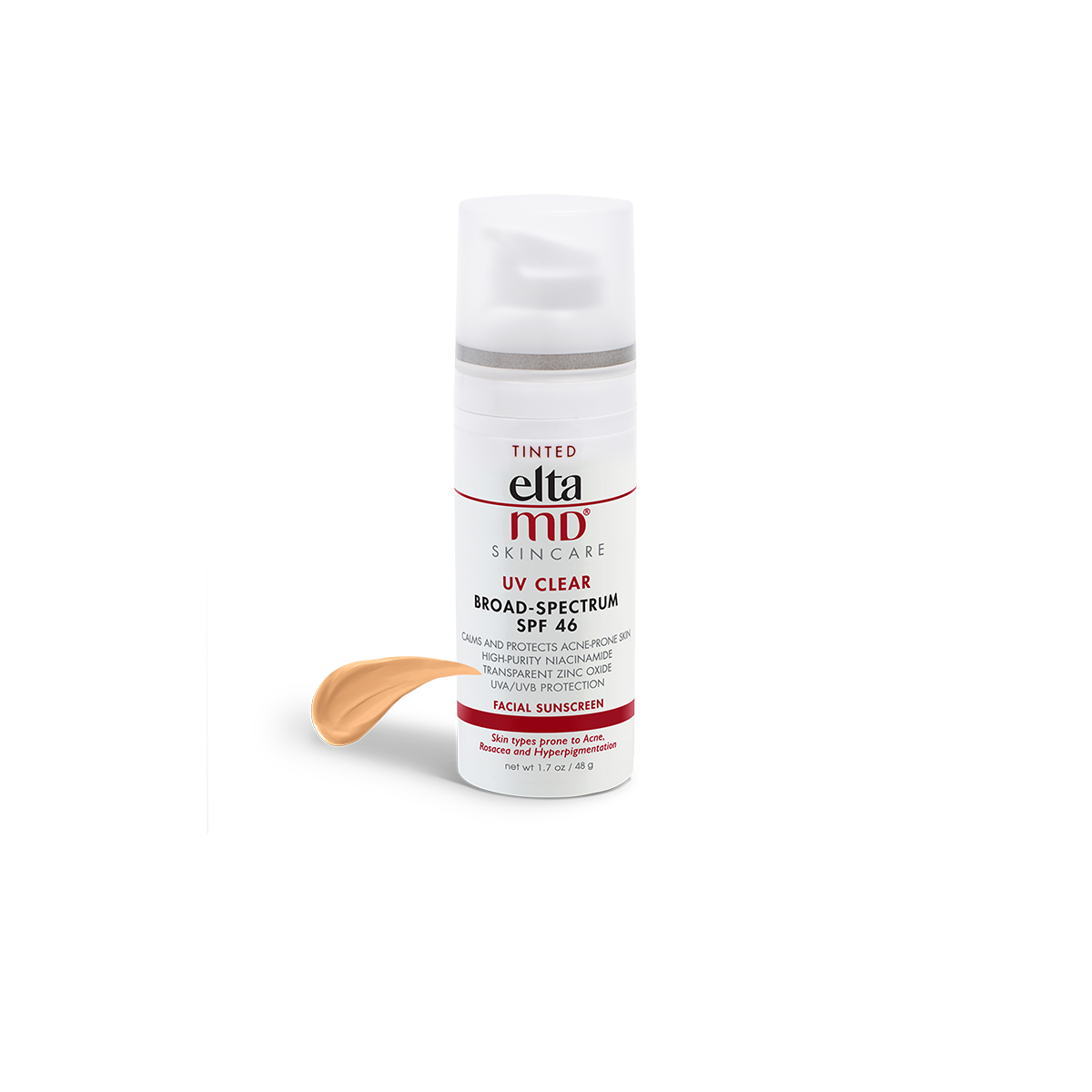
Apply a broad-spectrum, mineral-based SPF 30 or higher daily to shield vulnerable skin from UV damage, which can worsen active inflammation.
For a comprehensive breakdown of the best ingredients to include in your daily routine, we have it covered in the article below.

Clearing Post-Acne Marks
Even after an active blemish has completely resolved, it often leaves behind a frustrating reminder in the form of a dark or red spot.
These marks are divided into a) post-inflammatory hyperpigmentation (PIH), which appears as brown or tan spots caused by an overproduction of melanin and b) post-inflammatory erythema (PIE), which manifests as pink or red marks stemming from damaged capillaries near the skin surface.
Learning how to get rid of acne scars and superficial marks requires patience and targeted ingredients that promote cellular regeneration while inhibiting pigment production.
For a curated list of medical-grade solutions designed to even out your complexion, see our recommendations for the Best Skincare Products for Dark Spots and discover advanced clinical protocols by reviewing our guide on
Everyday Habits For Clear Skin
While choosing the right active ingredients is foundational to your success, small, daily lifestyle habits play a monumental role in keeping breakouts at bay. Your skin is a sensitive organ that constantly interacts with your immediate environment, meaning that hidden sources of bacteria can easily undermine an otherwise perfect skincare routine.
Introducing simple daily habits can help minimize accidental cross-contamination and supports long-term skin health.
First, focus heavily on anything that regularly comes into physical contact with your face. Pillowcases, sheets and face towels quickly build up an invisible mixture of dead skin cells, lingering hair products, sweat and environmental dust.
Washing these items frequently, ideally using a fragrance-free, hypoallergenic laundry detergent, prevents this debris from being pressed back into your pores for eight hours every night.
Additionally, be extremely mindful of your daily tech habits. Our smartphones collect a staggering amount of environmental bacteria from our hands, tables and pockets. Holding a contaminated phone screen flat against your cheek creates a warm, occlusive environment that pushes bacteria directly into the pores, often causing isolated breakouts along the cheekbones.
Regularly wiping down your phone screen with an alcohol-based sanitizer or using wireless headphones is an incredibly simple yet effective way to protect your skin barrier from unnecessary bacterial exposure.
Common Mistakes To Avoid
When dealing with a sudden, frustrating breakout flare-up, it is incredibly easy to go into panic mode and fall back on old habits that actually end up making the situation worse. We have all been there.
Stepping back, taking a deep breath and avoiding these common slip-ups lets you treat your skin with the patience, kindness and exact care it needs to heal. Here’s a reminder of what not to do:
- Picking and popping spots: Forcing a blemish open tears the delicate lining of the pore, pushing bacteria and inflammatory debris deeper into the surrounding dermal tissue. This significantly increases total healing time, heightens the risk of systemic infection and makes permanent structural scarring or deep hyperpigmentation far more likely to occur.
- Applying household products: Using DIY remedies like toothpaste, baking soda or harsh rubbing alcohol on active spots can cause severe chemical burns, profound dryness and contact dermatitis, utterly derailing your natural skin barrier function.
- Over-exfoliating with mechanical scrubs: Using harsh, abrasive scrubs or layering too many high-strength exfoliating acids simultaneously strips away your protective lipids, leaving your skin raw, highly inflamed and paradoxically more prone to breakouts.
- Skipping daily sunscreen: Many blemish-prone individuals avoid daily sun protection out of fear that it will clog their pores. However, unprotected UV exposure degrades structural collagen, induces systemic inflammation and darkens post-acne marks into permanent dark spots.
All the products in our Skincare For Acne Prone Skin collection have been chosen by dermatologists for their gentle effectiveness. From cleansers to treatments, our skincare products for acne provide targeted solutions for clearer, healthier skin.
Your Path To Clear Skin
Navigating the complexities of adult blemishes requires a structural shift from aggressive, reactive habits to a mindful, science-backed approach. When you stop chasing temporary quick fixes and instead focus on nourishing your skin barrier, identifying your specific blemish type and using clinical-grade active ingredients, your skin gets the chance to actually calm down.
If you are ready to take the guesswork out of your skincare routine and discover exactly how to get rid of acne for your unique skin chemistry, take our complimentary Skin Quiz. Our team of dermatologists will carefully review your profile and craft a personalized, medical-grade skincare routine that suits you (and you alone!).
Frequently Asked Clinical Skincare Questions
Does Niacinamide Help With Acne?
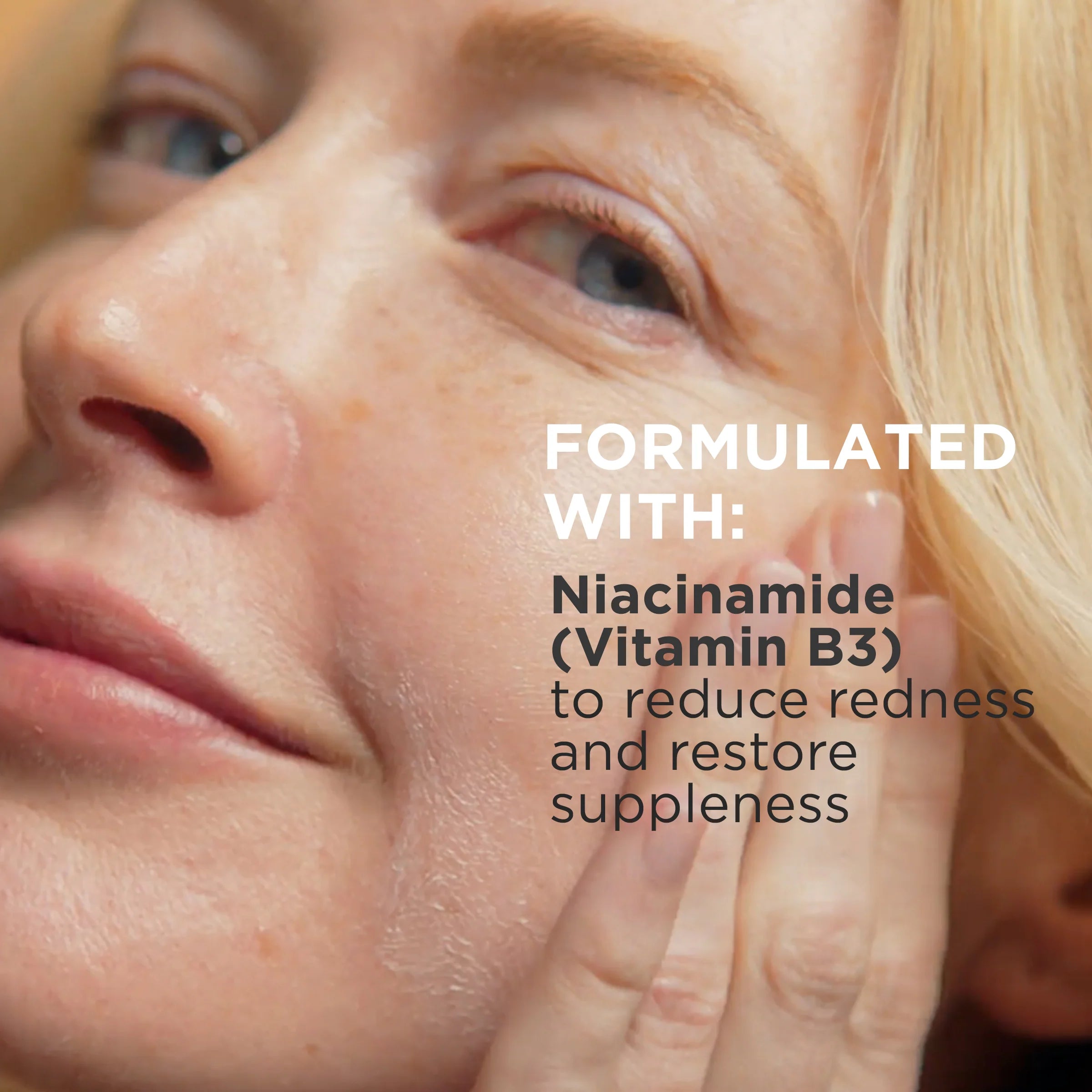
Yes, niacinamide - also known as vitamin B3 - is an exceptional ingredient for acne-prone skin because it targets multiple structural pathways of blemish formation simultaneously. It possesses potent anti-inflammatory properties that significantly reduce the redness and swelling associated with active breakouts. Additionally, niacinamide regulates sebum production, helping to prevent excess oil from clogging your pores in the first place, while concurrently strengthening the lipid barrier to retain essential moisture.
Is Salicylic Acid Good For Acne?
Salicylic acid is highly effective for blemish-prone skin because it is oil-soluble, allowing it to penetrate deep inside the pore lining. Unlike water-soluble alpha-hydroxy acids (AHAs) that only work on the skin surface, salicylic acid cuts through sebum to dissolve the plug of dead skin cells and oil that causes breakouts. Regular use of this beta-hydroxy acid gently exfoliates the pore walls, calms existing inflammation and significantly reduces the frequency of future blackheads and whiteheads.
Skincare For Acne Prone Skin
Effective acne care starts with the right formulations. Our skincare for acne-prone skin is dermatologist-approved to help reduce breakouts, calm inflammation, and support a healthy skin barrier.
Have questions about your specific skin concerns?
Our team is here to help you build the right routine for your unique needs. Take our skincare quiz or explore our library of skincare advice designed to help you understand your skin at a deeper level.