


Discover how to protect your skin in:

The Age-Defying Handbook: Science-Backed Strategies for Skin Longevity
Wherever you are in your skincare journey, one thing holds: the decisions you make today shape the skin you’ll have in 10, 20, 30 years’ time. The priorities may shift by decade – but the principles don’t.

Anti-aging skincare has long been framed as damage control – a reactive scramble for serums and treatments once the first fine lines appear. But the most effective approach to skin longevity is all in the understanding, not correction. The science is clearer than it’s ever been: what you protect today determines what you’ll need to repair tomorrow, and the best ingredients for anti-aging that genuinely move the needle are rarely the ones with the loudest marketing budgets.
Consider this your briefing – intelligent, evidence-led and entirely free of breathless promises.
Shop The Longevity Edit
Ready to build a routine designed for the long term? Explore our dermatologist-curated edit, from daily SPF and antioxidant serums to retinol treatments, peptide complexes, eye creams and neck treatments. Every product is selected for one reason: it works.
Content Chapters
The Two Kinds of Aging - And Why the Distinction Matters
Aging is not one single process. It’s two – running simultaneously, at very different speeds, influenced by very different things.
Intrinsic aging
This is biological and largely written into your DNA. From roughly your mid-twenties, cell turnover begins to slow, collagen production starts its long gradual decline and the structural scaffolding of the skin quietly begins to thin. This process is steady, predictable and universal.
Extrinsic aging
Also known as photo-aging, extrinsic aging is caused by the world around you: UV radiation, pollution, cigarette smoke, alcohol, poor sleep, a diet heavy in refined sugar. And unlike its intrinsic counterpart, it is not inevitable. It is, to a significant degree, within your control.
Now for the number that tends to stop people in their tracks: research from Clinical, Cosmetic and Investigational Dermatology suggests that up to 80% of visible skin aging — the pigmentation, the laxity, the texture changes — can be attributed to UV exposure alone. Not genetics or time: sun damage.

Beyond UV, a handful of lifestyle habits accelerate aging significantly.
- Smoking constricts blood vessels, depletes oxygen supply to the skin and generates free radicals that break down collagen at an accelerated rate.
- Alcohol dehydrates, disrupts sleep quality and triggers low-grade inflammation that undermines the skin barrier over time.
- Glycation – the process by which excess sugar molecules bond to collagen and elastin, making them stiff and dysfunctional – is one of the lesser-discussed but meaningful drivers of premature skin aging.
- Pollution, particularly in urban environments, generates oxidative stress that degrades collagen and contributes to uneven pigmentation. Living in a city isn’t a life sentence for your skin – but it does raise the stakes for your antioxidant strategy.

The Collagen Decline: What’s Actually Happening Beneath the Surface
Collagen is the most abundant protein in the human body and the primary structural component of the skin. Together with elastin – which gives skin its ability to spring back – it forms the dermal matrix: the invisible architecture responsible for firmness, plumpness and resilience.
Here’s the catch. Collagen production peaks in your early twenties and declines at roughly 1% per year from around age 25. Fibroblasts – the specialised cells that produce collagen and elastin – become less active. Cellular turnover slows. Glycation stiffens existing collagen fibres. And oxidative stress, generated by UV and environmental aggressors, actively degrades what remains.
The good news: several of the most studied collagen boosting skincare ingredients directly target this process – stimulating fibroblast activity, neutralising oxidative stress, and providing the building blocks the skin needs to produce new collagen.
If you’re looking at how to increase collagen in skin, head to

Prevention vs. Correction: The Smartest Skincare Routine for Aging Skin
There is a persistent narrative that frames anti-aging skincare as something you reach for after the signs appear. The science tells a more useful story.
Prevention is considerably more powerful than correction. The skin’s capacity to repair existing damage is impressive but finite. Its capacity to not accumulate damage in the first place – given the right daily habits – is far greater. The four pillars of a prevention-first approach are fewer than you might expect:
1. Daily broad-spectrum SPF, minimum SPF 30
If there is a single product that earns the title of #1 anti-aging skincare tool, it is sunscreen. Applied every morning – yes, even in winter – it is the most evidence-backed intervention available for slowing visible skin aging.
We have curated some brilliant protecting sunscreens by Elta MD and La Roche Posay that also contain ingredients that actively moisturize and support your skin. We love EltaMD
UV AOX Elements SPF 50 Tinted Sunscreen as it evens out skin tones and blurs imperfections, leaving a flawless finish.
2. A morning antioxidant serum
Applied before SPF, it provides a second line of defence against UV, free radicals and pollution, according to Science Direct – protecting collagen that SPF alone cannot fully shield.
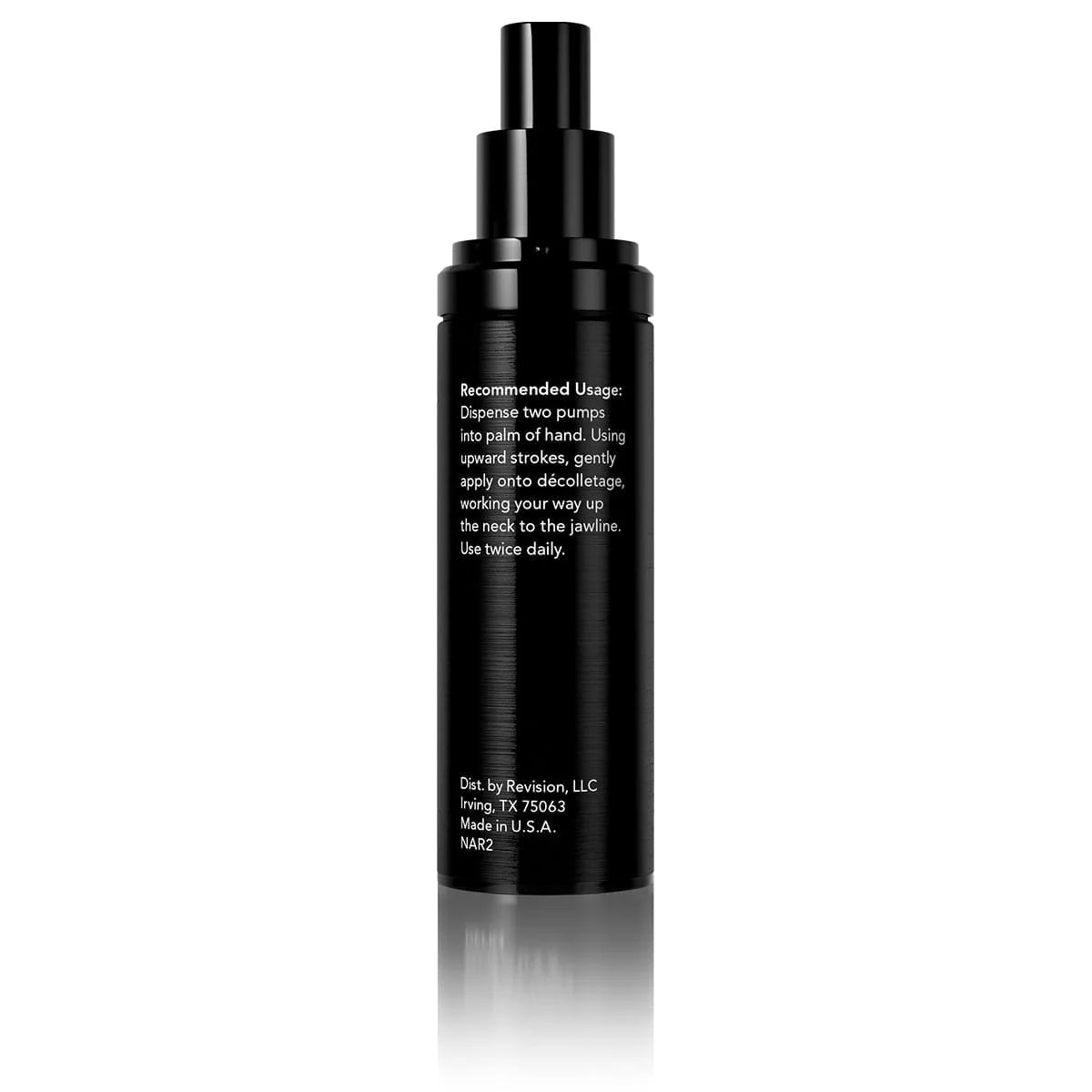
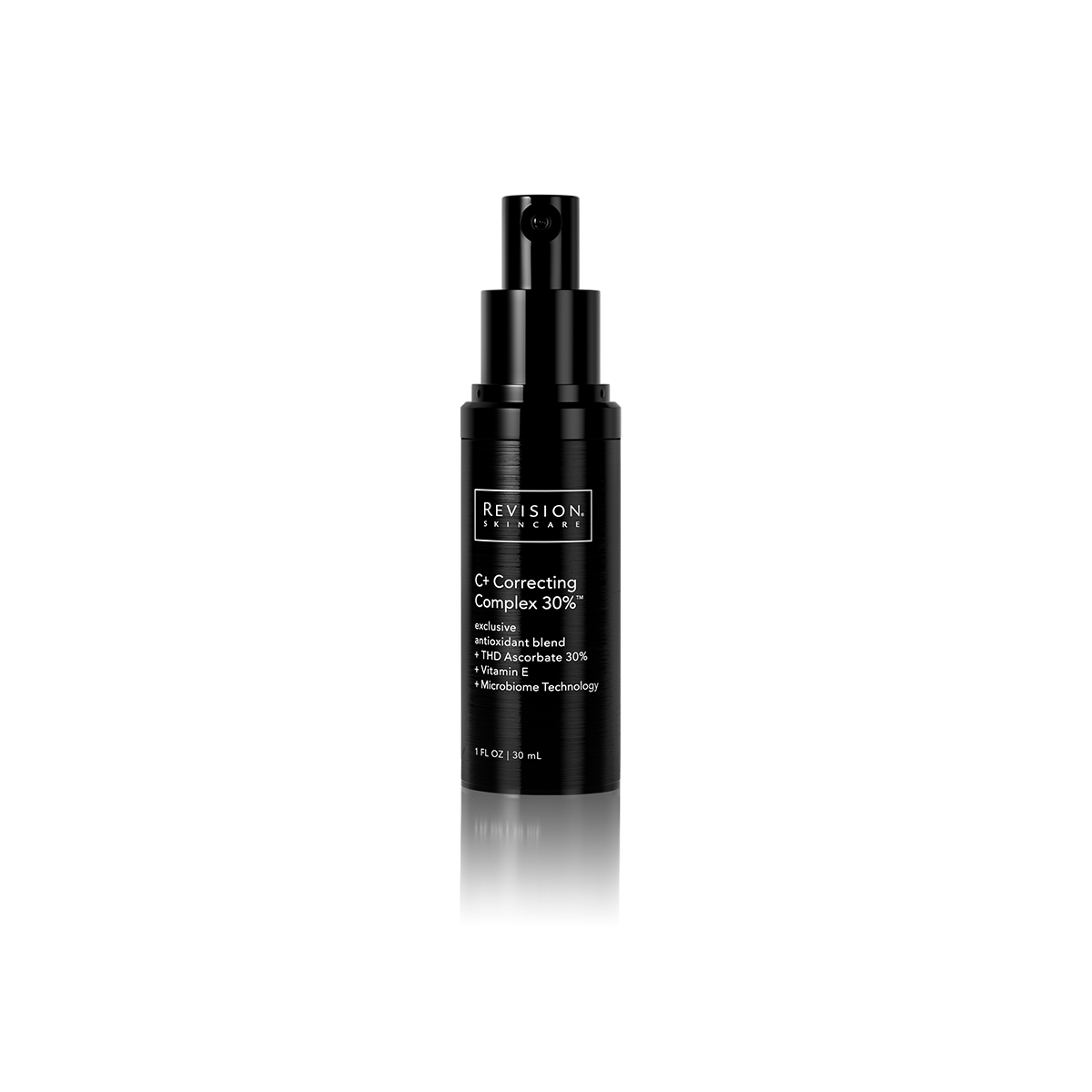
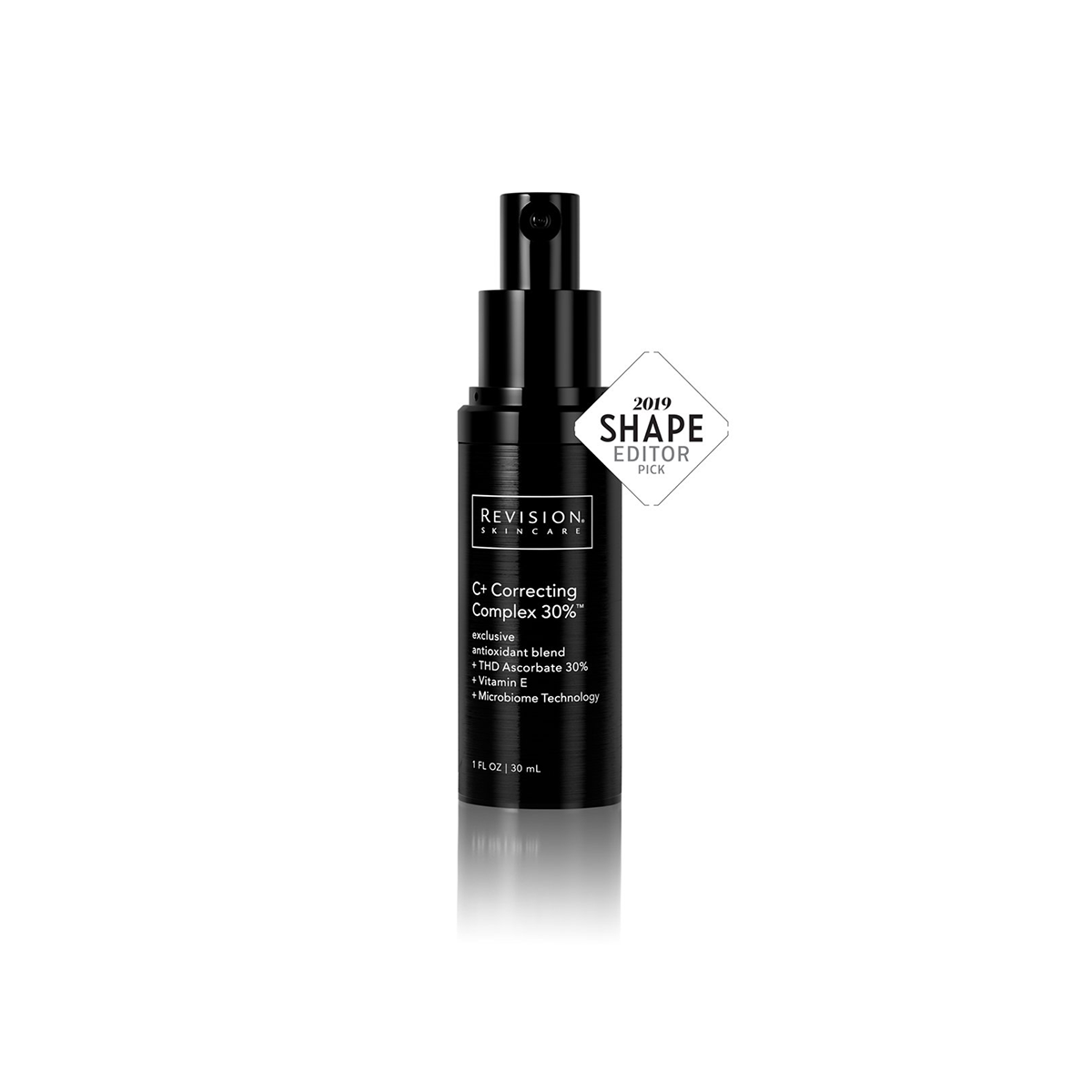
We reach for Revision C+ Correcting Complex 30% – a rejuvenating antioxidant blend that illuminates, refines and rejuvenates your skin while shielding it from the adverse effects of living in the modern age.
3. A retinoid, used consistently at night
The most clinically validated ingredient, says Clinical Interventions in Aging, for increasing cellular turnover, stimulating collagen production and improving texture and tone over time.
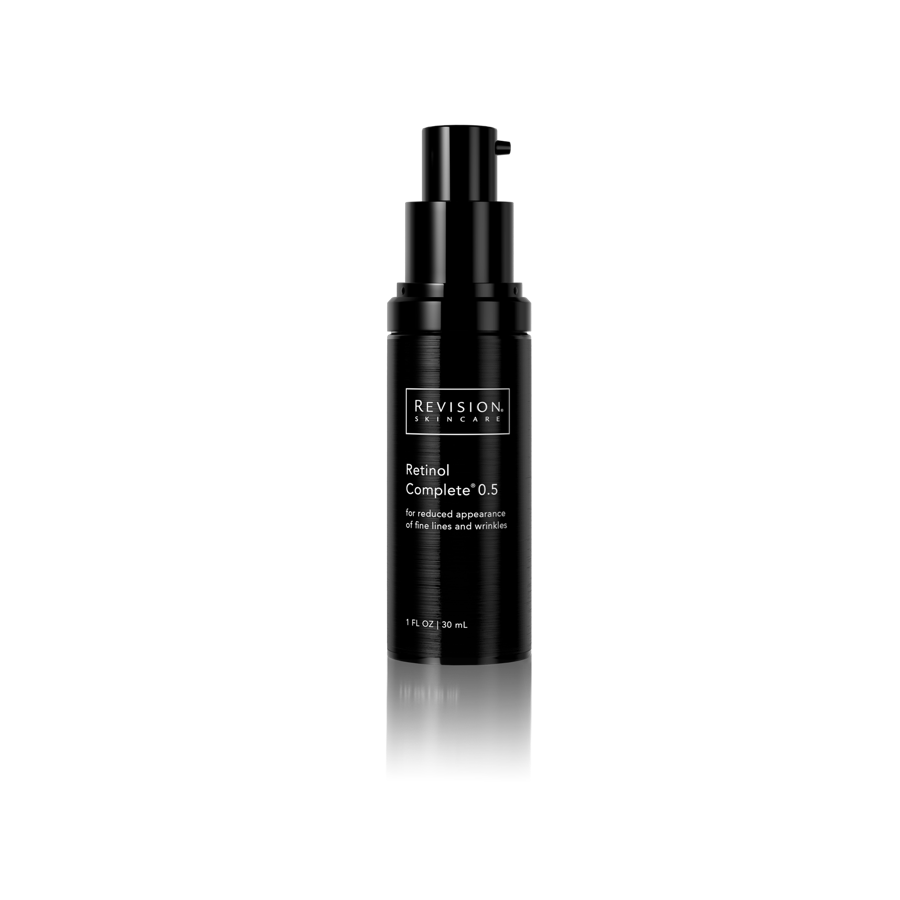
Our go-to is Revision Retinol Complete 0.5, a technologically advanced anti-aging serum for reducing the appearance of fine lines and wrinkles while brightening and evening skin tone.
4. A barrier-supporting moisturizer
Compromised skin ages faster and absorbs active ingredients less effectively. Ceramides, fatty acids and humectants are not luxuries – they are the foundation everything else rests on.
Another hard-working tool we rely on is SkinMedica Dermal Repair Cream, an ultra-rich hydration superhero powered by vitamins C and E and hyaluronic acid for moisturized, supple and smooth skin.

Retinol For Anti-Aging: The Retinoid Hierarchy Explained
Retinoids – the family of vitamin A derivatives – have accumulated more clinical evidence than almost any other ingredient category in skincare. But retinol, retinal, tretinoin and retinyl palmitate are not the same thing, and the differences matter.
The spectrum runs from gentlest to most potent.
- Retinyl esters sit at the mild end – suitable for sensitive skin or complete beginners.
- Retinol is the most widely available over-the-counter form, converting in the skin to retinoic acid via a two-step process.
- Retinal (retinaldehyde) is one conversion step closer, making it faster-acting.
- Tretinoin – prescription-grade retinoic acid – requires no conversion at all and is the most potent form available.
The benefits of consistent use are well-documented: accelerated cellular turnover, increased collagen production, improved texture and tone and a visible refinement of pores over time.
The caveat is that the skin needs time to acclimatise. Starting too strong, too soon, is the most common mistake – and the reason many abandon retinoids before they’ve seen results.
The golden rule: start low (0.025-0.1%), apply to dry skin two to three nights a week, and increase frequency and strength gradually over months, not weeks.
For the full protocol, head to our skincare advice hub, where you’ll find

What about peptides vs retinol – can you use them at the same time? For most skin, the answer is yes. Peptides signal the skin to produce more collagen via a different biological pathway; retinoids stimulate cellular renewal via another. Used thoughtfully – peptides morning or evening, retinoids at night – they complement rather than compete.

Antioxidants for Skin Aging: Your Daily Defence
Every day, the skin faces oxidative stress – an imbalance between free radicals generated by UV, pollution and metabolic processes, and the skin’s natural defences. Left unchecked, this is one of the primary drivers of collagen degradation, uneven pigmentation and accelerated visible aging.
Topical antioxidants neutralise free radicals before they cause structural damage – protecting existing collagen, brightening skin tone and reinforcing barrier resilience. Here’s what to look for.
Vitamin C
Vitamin C is the most well studied. L-ascorbic acid directly inhibits melanin production, boosts collagen synthesis and provides meaningful protection against UV-induced damage when layered beneath SPF. Formulation quality matters enormously here – look for stabilised forms if pure L-ascorbic acid proves too reactive.
For sensitive skin, or for those combining vitamin C with peptides, tetrahexyldecyl ascorbate is worth knowing about. Unlike L-ascorbic acid, this oil-soluble, non-acid form of vitamin C is considerably more stable, gentler on reactive skin and – crucially – does not degrade peptides on contact, making it the preferred form when the two are used in the same routine. It is the active form found in both Revision C+ Correcting Complex and Hydrinity, and delivers comparable brightening and collagen-supporting benefits without the pH sensitivity of its acid counterpart.
Vitamin E
Vitamin E works synergistically with vitamin C, the two regenerating each other and proving considerably more effective in combination than either alone.
Niacinamide
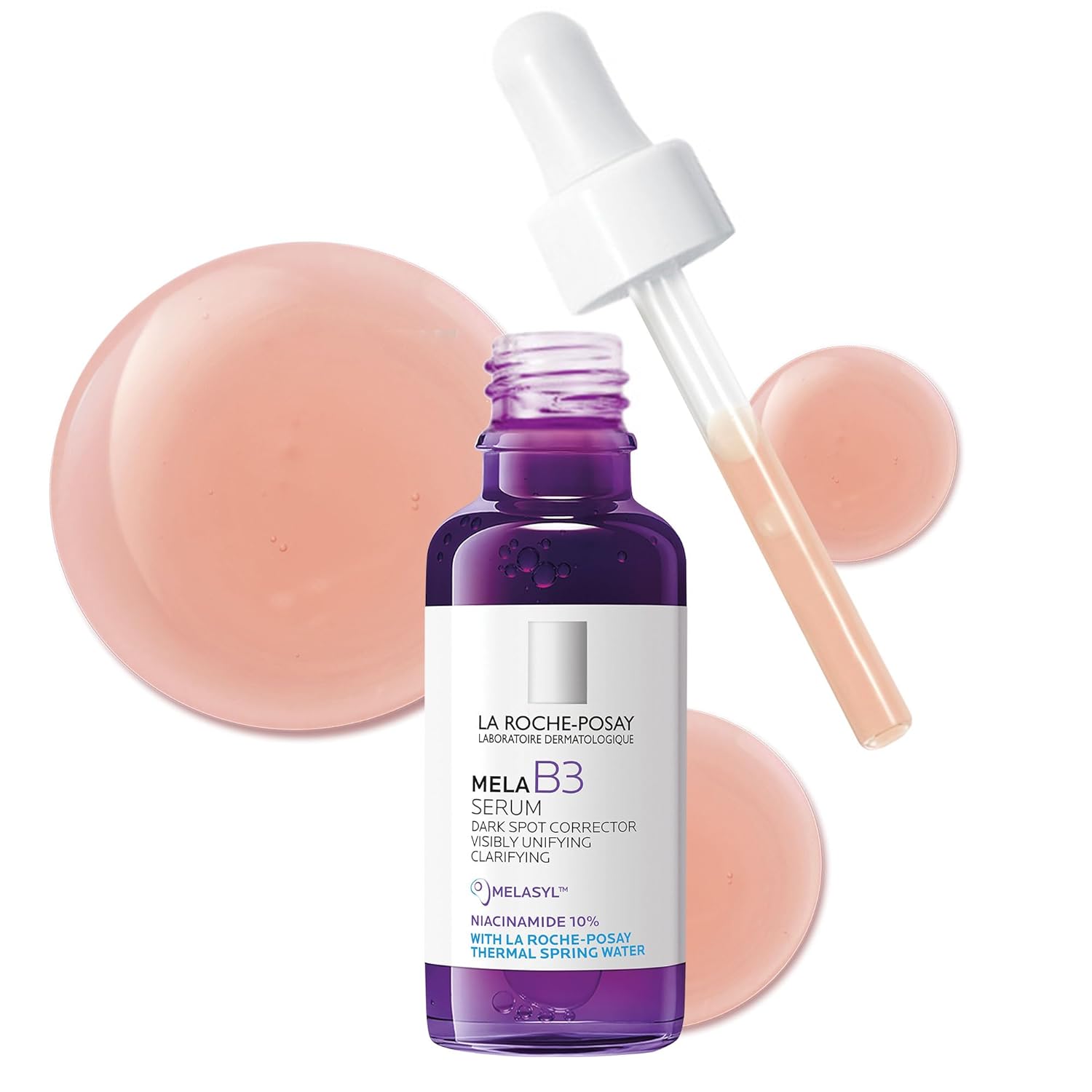
Niacinamide (vitamin B3) is one of the most versatile ingredients in modern skincare – antioxidant, anti-inflammatory, barrier-strengthener and pigmentation regulator, all in one, and well tolerated by almost every skin type.
Green tea extract
Green tea extract (EGCG) offers potent plant-derived antioxidant protection with particular relevance for pollution-exposed skin.
For a full breakdown of how to layer these intelligently, let us point you in the direction of

The Longevity Frontier: Exosomes and the Science of Cellular Reset
No conversation about skin longevity in 2026 is complete without addressing the ingredient category generating significant attention: exosomes.
Exosomes are extracellular vesicles – tiny messenger particles naturally secreted by cells – that carry proteins, lipids and genetic information between cells, essentially directing cellular behavior. In the context of skin aging, their significance lies in their ability to signal fibroblasts to behave more like their younger counterparts: producing more collagen, responding more efficiently to repair signals and reducing the chronic low-grade inflammation that accelerates structural decline.
Platelet-derived exosomes are leading the science. Derived from platelet-rich plasma and refined into a stable, deliverable form, they represent a meaningful step beyond earlier growth factor technology – not simply providing the building blocks for repair, but actively reprogramming the cellular environment in which repair happens.
For those tracking where the most credible innovation in skin longevity is heading, exosome technology – and in particular platelet-derived formulations – is where the evidence is building fastest.
The Next Evolution in Skin Longevity
At the furthest edge of this space sits a molecule that has attracted considerable attention in longevity science more broadly: rapamycin, and its derivatives. The RLX molecule, found in biotech company Rapalogix’s line, works via a different mechanism entirely – targeting the mTOR pathway, which regulates cellular ageing at a fundamental level.
In practice, this means the potential to reset fibroblast age by an estimated 20 to 30 years: not stimulating tired cells to work harder, but restoring them closer to the functional state they were in decades earlier. It is early-stage in terms of mainstream skincare adoption, but the science underpinning it is serious, and it represents one of the most genuinely novel approaches to skin longevity available.
The Areas That Age First - And Why
Not all skin ages at the same rate. The eyes and neck consistently show signs of aging earlier than elsewhere - and there are specific structural reasons why.
The skin around the eyes is the thinnest on the face - roughly 0.5mm compared to 2mm elsewhere. It has fewer sebaceous glands, is subjected to thousands of micro-movements each day and sits over a bony orbital rim with minimal subcutaneous fat for support. Fine lines, crepiness and hollowing tend to appear here first.
The neck presents a similar picture - thinner skin, lower oil production and a long history of SPF neglect. Add the modern reality of ‘tech neck’ - the repetitive downward flexion from screen use that creates horizontal creasing and early laxity - and there is a compelling case for extending your entire skincare routine below the jawline, every single day.
Dive deeper into this more modern concern in

Skincare By Decade: A Blueprint For Every Chapter
All the science above leads here - to the practical question of what your skin actually needs right now, based on where you are. The fundamentals don’t change, but the priorities do.
Your 20s - Prevention And Protection
The decade that matters most, and the one most people underestimate. Collagen loss has already begun - quietly, imperceptibly - and the habits established now will shape the skin you have at 50.
The focus: daily SPF without fail, a vitamin C serum in the morning and a gentle retinoid introduced towards the end of the decade. A good barrier moisturiser completes the picture. The most powerful anti-aging skincare at 25 is the kind that means you’ll need to correct far less at 45.
Your 30s - Collagen Support
Cellular turnover is slowing noticeably and the first structural changes - a little loss of density, early lines around the eyes, subtle shifts in texture - are beginning to make themselves known.
The focus: this is the decade to get serious about collagen-boosting skincare: strengthening your retinoid use, adding a peptide serum and paying close attention to the eyes and neck. SPF remains the non-negotiable anchor of everything. Learn more in Skincare in Your Thirties.
Your 40s - Pigmentation And Firmness
Hormonal fluctuations - even before perimenopause begins - can trigger visible changes in pigmentation, moisture levels and skin density.
The focus: the forties often call for a more targeted approach: a dedicated brightening ingredient for pigmentation, an increased retinoid strength where tolerated and growth factor or peptide-rich treatments for firmness. Eye and neck care move from optional to genuinely essential.
Your 50s And Beyond - Hydration And Barrier Repair
Post-menopause, falling estrogen directly impacts collagen production, moisture retention and barrier integrity. Skin can feel drier, thinner and more reactive than it ever has before.
The focus: skincare for mature skin means deep hydration and barrier repair - ceramides, fatty acids, humectant-rich formulas - alongside targeted treatments that address both surface texture and deeper structural support.
Retinoids remain relevant and effective at every age; tolerance and formulation simply guide the choice.
Want to build your full routine? Head to
The Long View To Anti Aging
Skin longevity is not a product. It’s a practice - one that rewards consistency, intelligence and the willingness to think about your skin not just as it is today, but as you want it to be in a decade’s time.
The good news is that the science has never been more sophisticated, the ingredient technology never more effective and the conversation has finally moved beyond surface-level promises towards something more meaningful: understanding the skin deeply, protecting it seriously and supporting it with the precision it deserves.
That is exactly what Lighthouse is here for.
Ready to build a routine designed for the long term? Explore our dermatologist-curated edit, from daily SPF and antioxidant serums to retinol treatments, peptide complexes, eye creams and neck treatments. Every product is selected for one reason: it works.
Shop The Longevity Edit
Ready to build a routine designed for the long term? Explore our dermatologist-curated edit, from daily SPF and antioxidant serums to retinol treatments, peptide complexes, eye creams and neck treatments. Every product is selected for one reason: it works.
Have questions about your specific skin concerns?
Our team is here to help you build the right routine for your unique needs. Take our skincare quiz or explore our library of skincare advice designed to help you understand your skin at a deeper level.