


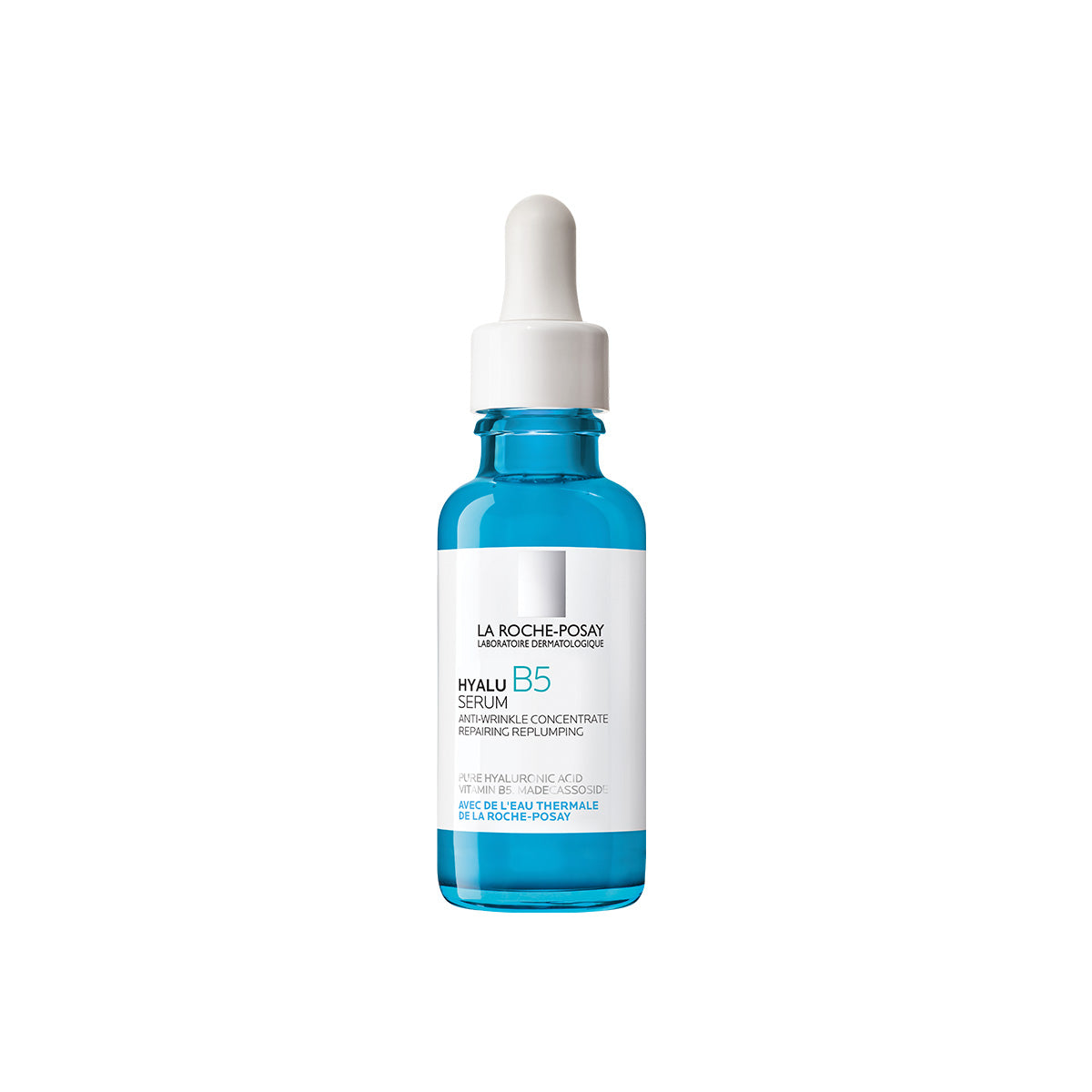
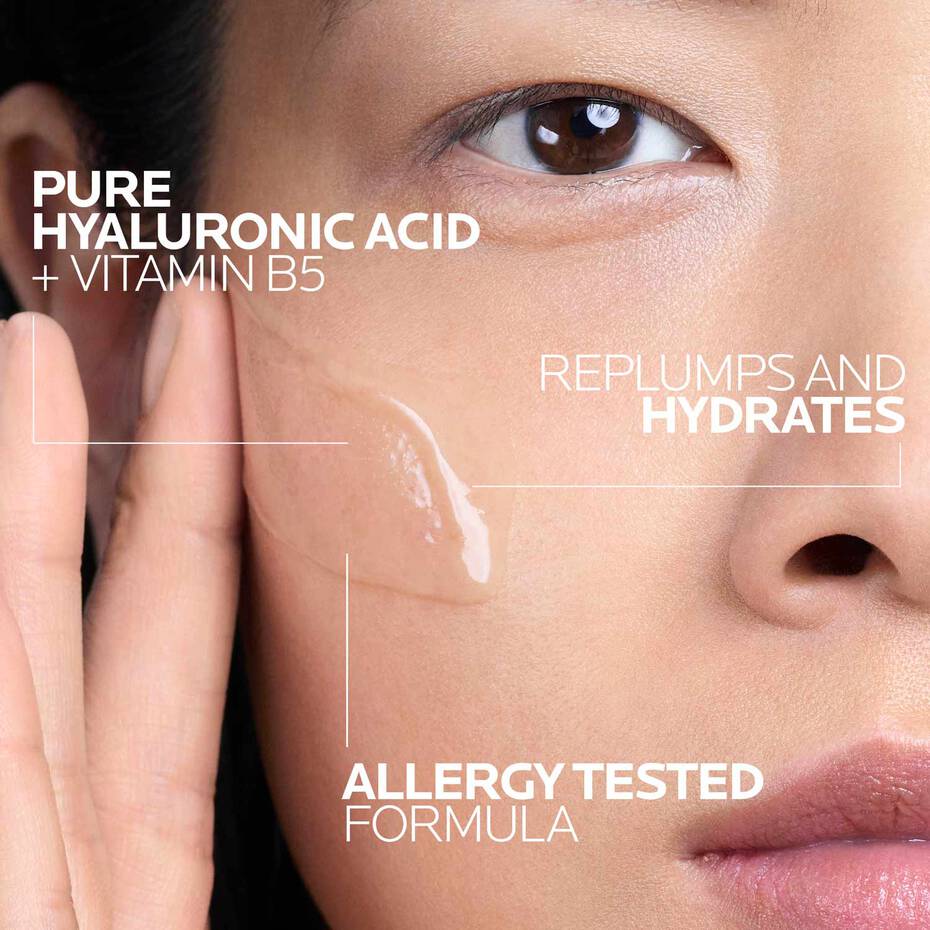
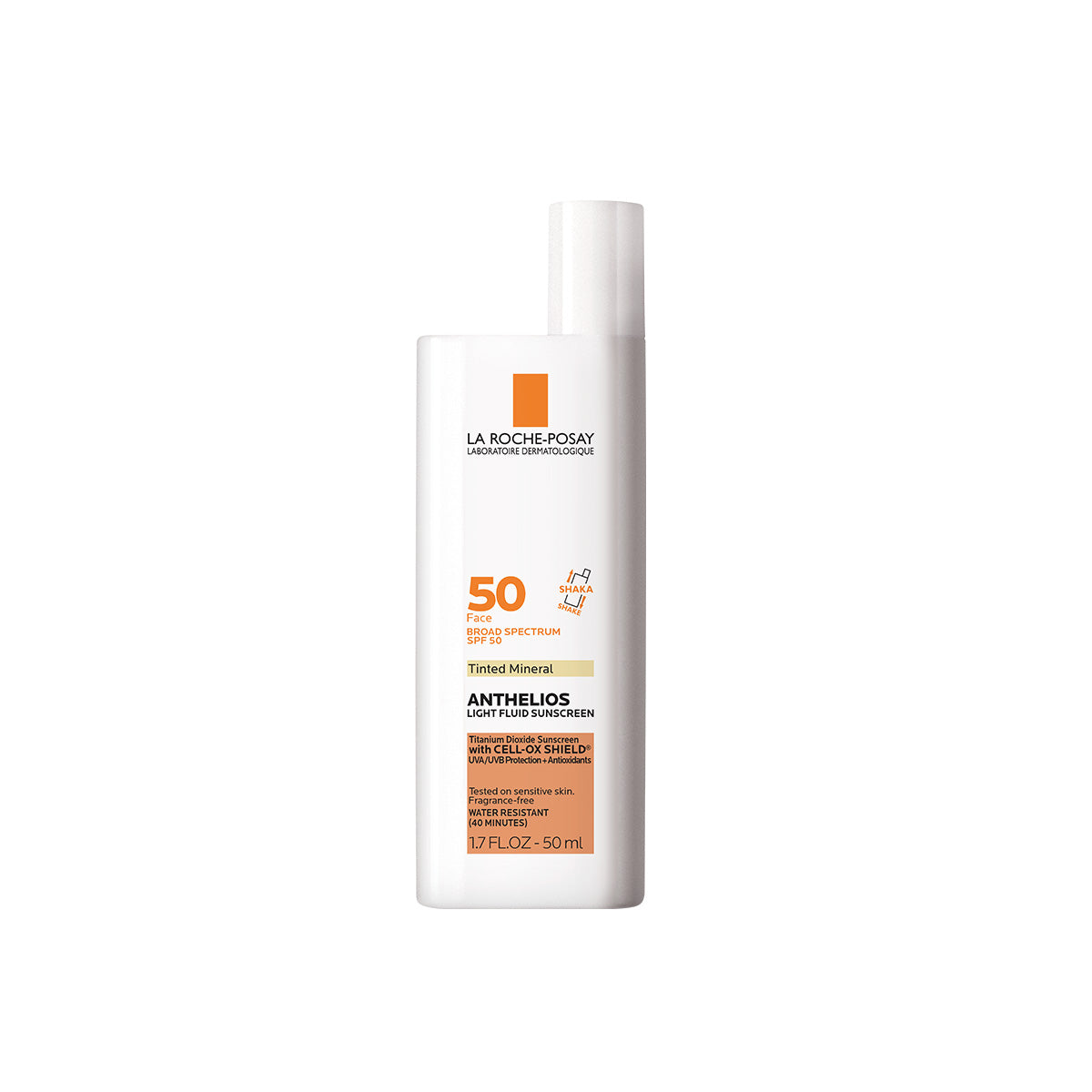
For a deeper exploration of the genetic versus environmental factors influencing your skin’s oil production, read our full guide:

The Science of Balance
A Dermatologist’s Guide to Balancing Oily Skin
Stop the strip-and-rebound cycle. Discover the clinical approach to regulating sebum, minimizing pores, and balancing oily skin - without dryness.

There’s a moment many people with oily skin know intimately: catching your reflection mid-afternoon and seeing that telltale shine spreading across your T-zone. The immediate instinct? Strip it away. Blot it. Cleanse again. Control it.
But what if the very act of trying to control your skin’s oil production is making it worse? Oily skin and sebum control has long been treated as a problem to solve – something excessive, problematic, in need of correction. The language we use reflects this: how to control oily skin, oil control, shine control, mattifying, sebum suppression. We talk about oily skin as if it’s misbehaving, as if the goal is to eliminate oil entirely.
The solution isn’t stronger products or aggressive cleansing – it’s supporting your skin’s natural regulatory mechanisms with gentle cleansers, barrier-supporting hydration and strategic exfoliation. When you stop fighting your skin and start working with it, everything changes.
This is your comprehensive, dermatologist-informed guide to understanding oily skin at a biological level and building a routine that works with your skin, not against it. Because balance, not control, is what genuinely glowing skin requires.
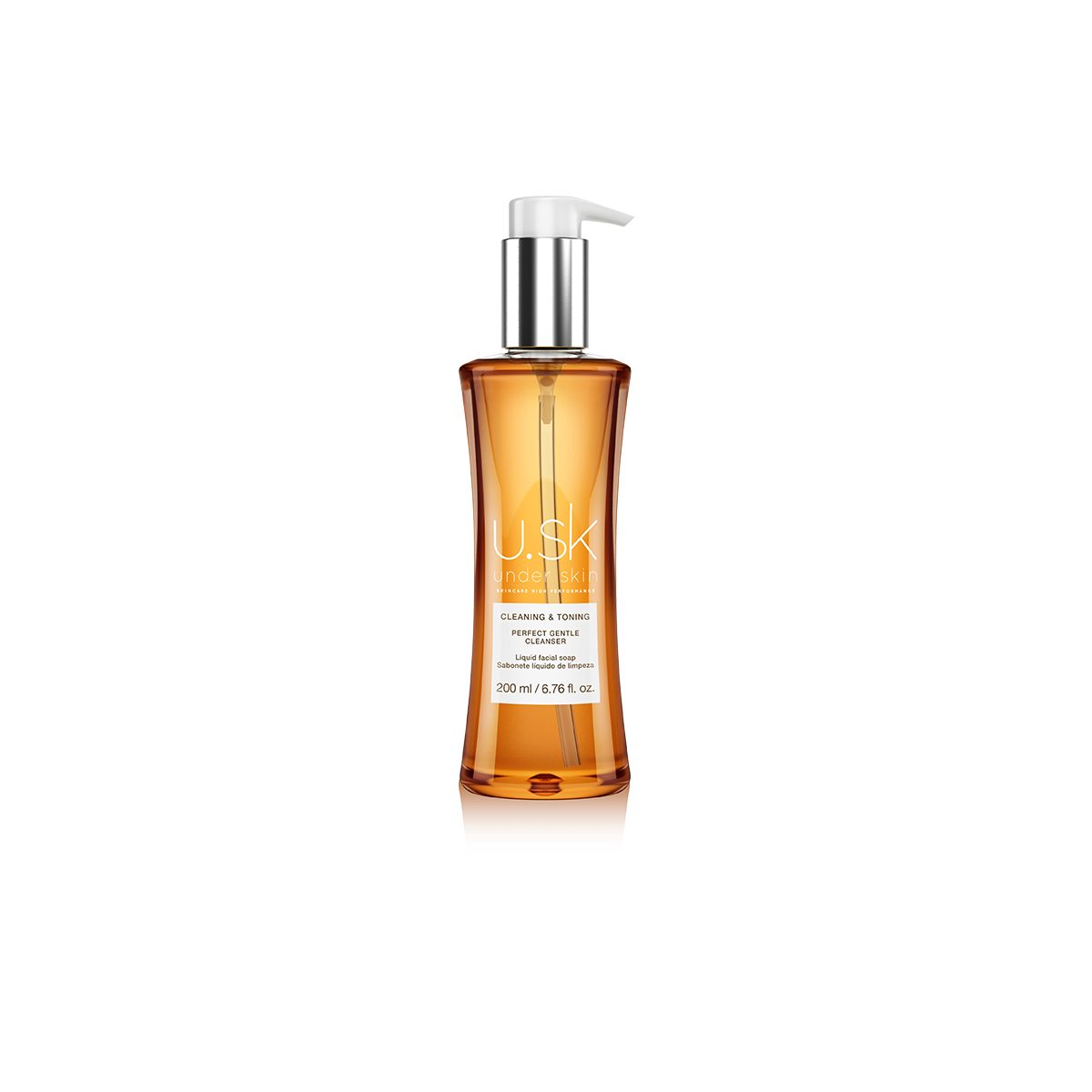
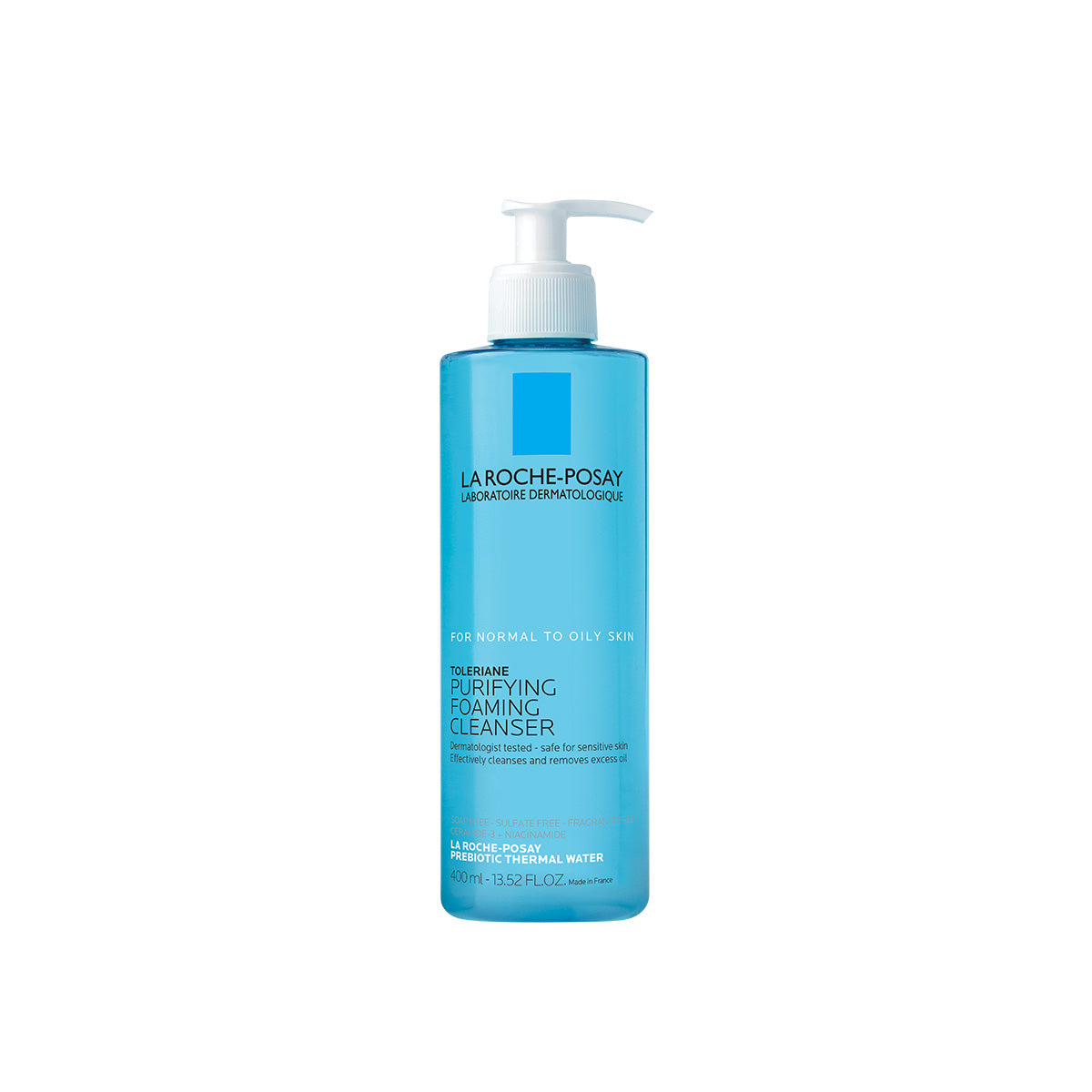
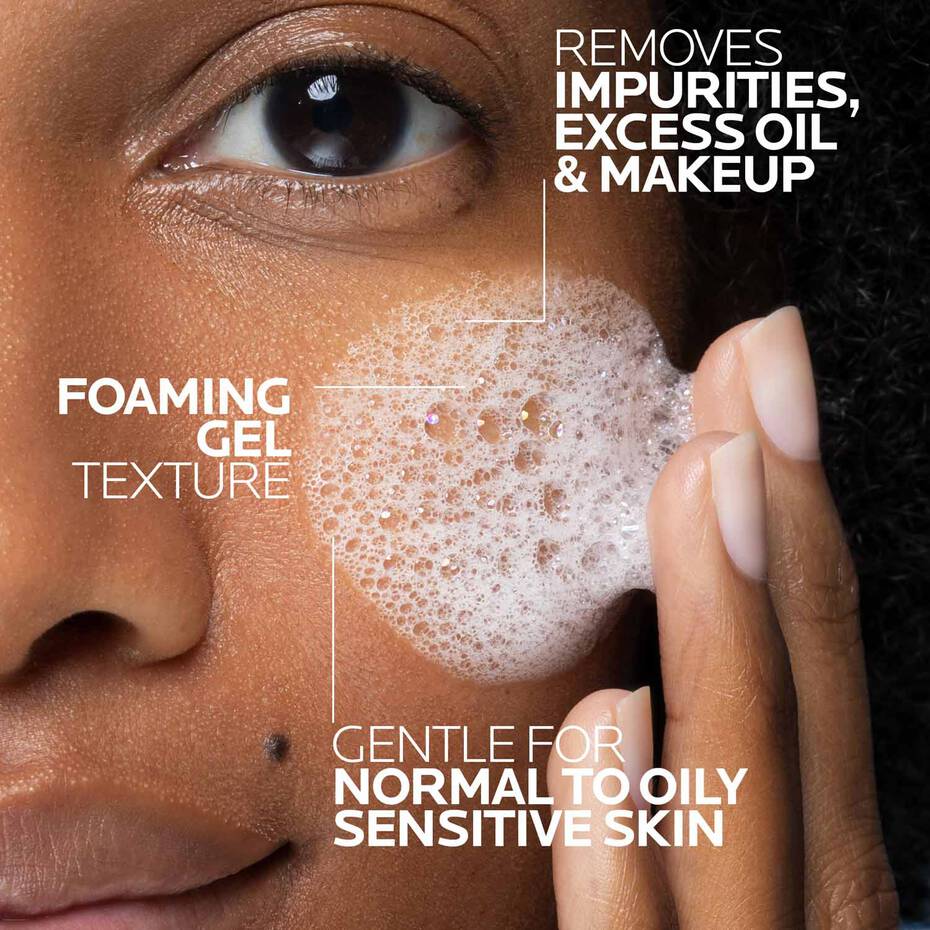
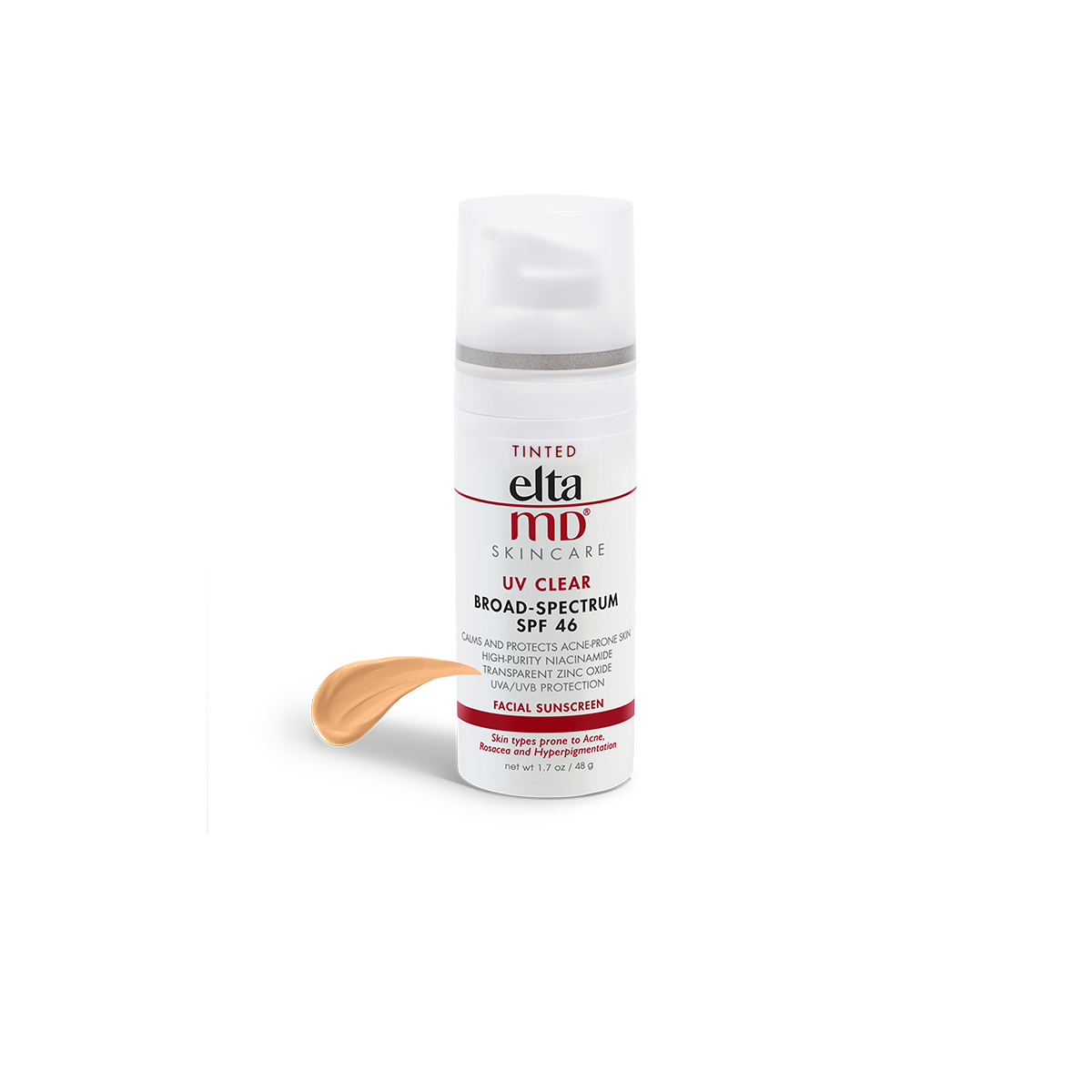
Shop Our Regulating Collection
Ready to build a balanced routine for oily skin? Our dermatologist-curated collection features clinically proven ingredients that regulate sebum production without compromising your barrier.
Content Chapters
What is sebum and why does your skin produce it?
Let’s start with the science. Sebum is the oily, waxy substance produced by sebaceous glands located throughout your skin – concentrated particularly on your face, chest and back. These glands are attached to hair follicles, and their job is to secrete sebum up through the pore to the skin’s surface.
What sebaceous glands actually do:
Sebaceous glands aren’t trying to ruin your makeup or make you feel self-conscious. They’re performing essential functions:
- Barrier protection: Sebum forms part of your skin’s protective lipid barrier, preventing water loss and keeping irritants out
- Acid mantle maintenance: The slightly acidic pH of sebum helps maintain your skin’s acid mantle, which protects against harmful bacteria
- Preventing transepidermal water loss (TEWL): Sebum creates a seal that reduces moisture evaporation from the skin’s surface
- Antioxidant delivery: Sebum contains vitamin E and other antioxidants that protect your skin from free radical damage
In other words, oil is biologically necessary. Without it, your skin would be vulnerable, dehydrated and unable to defend itself effectively.
The difference between a healthy glow and excess shine
So where’s the line between healthy sebum production and surplus oiliness? It comes down to regulation. Skin that produces the right amount of sebum looks luminous, plump and well hydrated. Skin that overproduces looks visibly shiny (particularly across the forehead, nose and chin), may have enlarged pores and often feels greasy to the touch within hours of cleansing.

Why is my skin so oily?
If you’ve ever wondered how to control oily skin and why your skin produces more oil than seems necessary, you’re not alone. Excess sebum production rarely has a single cause – it’s typically a combination of genetic, hormonal and environmental factors.
- Barrier protection: Sebum forms part of your skin’s protective lipid barrier, preventing water loss and keeping irritants out
- Acid mantle maintenance: The slightly acidic pH of sebum helps maintain your skin’s acid mantle, which protects against harmful bacteria
- Preventing transepidermal water loss (TEWL): Sebum creates a seal that reduces moisture evaporation from the skin’s surface
- Antioxidant delivery: Sebum contains vitamin E and other antioxidants that protect your skin from free radical damage
In other words, oil is biologically necessary. Without it, your skin would be vulnerable, dehydrated and unable to defend itself effectively.
Aggressive cleansing, harsh exfoliation and alcohol-heavy products strip away sebum too effectively, triggering your skin to produce even more oil to compensate
Genetics and sebaceous activity
The size and activity level of your sebaceous glands are largely determined by genetics. If your parents had oily skin, you’re significantly more likely to as well. Some people simply have more sebaceous glands per square centimetre of skin, or glands that are more active and produce more sebum per follicle. This isn’t something you can change, but understanding it helps reframe oily skin as a biological variation rather than a personal failing.
Hormones and life stages
Androgens – particularly testosterone and its derivatives – stimulate sebaceous gland activity. This is why oil production fluctuates throughout life and even throughout the menstrual cycle:
- Puberty: Androgen levels surge, triggering increased sebum production (and often acne). Many people also have oily skin without acne – and that’s completely normal.
- Menstrual cycle: Many people notice their skin becomes oilier in the week before menstruation when progesterone levels rise.
- Pregnancy: Hormonal shifts can either increase or decrease oil production, depending on individual hormone levels.
- Perimenopause: Fluctuating estrogen and progesterone can lead to unpredictable changes in sebum production.
- Polycystic ovary syndrome (PCOS): Elevated androgens can lead to persistently oily skin.
- Stress: Cortisol stimulates oil production, which is why your skin may become noticeably oilier during high-stress periods.
Climate and environment
Your environment plays a significant role in how oily your skin appears and feels. High humidity can make oil more visible and prevent it from being absorbed into the atmosphere, and warm temperatures increase sebaceous gland activity.
Air conditioning and heating dry out the air, which can trigger compensatory oil production if your skin becomes dehydrated. Meanwhile, seasonal shifts mean skin is oilier in summer and more balanced in winter.
Over-cleansing and skincare mistakes
Perhaps the most frustrating cause of excess oil is the one you’re inadvertently creating yourself. Aggressive cleansing, harsh exfoliation and alcohol-heavy products strip away sebum too effectively, triggering your skin to produce even more oil to compensate. We’ll explore this in detail shortly, but it’s worth noting here: if your skin feels tight after cleansing and then becomes very oily within a few hours, you’re likely stuck in a strip-and-rebound cycle.

Oily but dehydrated skin: when it feels tight but looks shiny
This is one of the most misunderstood conditions among people with oily skin. You cleanse and feel tight, uncomfortable. But within an hour, the shine returns and your skin looks greasy but feels parched. What’s going on?
It’s the difference between dehydration and dryness. Dry skin lacks oil, while dehydrated skin lacks water. You can have both simultaneously because sebum and hydration are separate functions.
When dehydrated, your skin triggers compensatory responses: increased transepidermal water loss (TEWL), excess oil production to seal moisture in and barrier dysfunction causing sensitivity. It feels tight after cleansing, fine lines are more pronounced, your makeup separates and products don’t sink in, there’s a dull tone despite that shine and even a rough texture. Read on to find out what to do.
The ’stripping’ myth: why harsh products make you oilier
Let’s talk about the strip-and-rebound cycle – or what some dermatologists call the strip-dry-overproduce pattern. Over-cleansing oily skin is the single most common mistake people make, and it’s rooted in a fundamental misunderstanding of how sebaceous glands work.
The logic seems reasonable: if your skin is too oily, remove the oil, right? Cleanse thoroughly. Use products that mattify. Avoid anything that might add more oil. The result? Skin that feels squeaky clean – that tight, almost squeaking sensation after washing. Here’s the problem: that tight feeling isn’t clean. It’s barrier damage.
When you strip away sebum too aggressively, several things happen:
- Your skin’s pH is disrupted (healthy skin has a slightly acidic pH of around 4.5-5.5).
- Your protective lipid barrier is compromised.
- TEWL increases as water evaporates more readily from unprotected skin.
- Your sebaceous glands receive signals that the barrier is damaged.
- In response, they increase oil production to compensate.
Before you know it – in just a few hours – your skin is even oilier than before you cleansed. So you cleanse again, more aggressively. And the cycle continues.
Common culprits in the stripping cycle:
- Foaming cleansers with harsh surfactants (particularly sodium lauryl sulfate)
- Alcohol-heavy toners marketed as ’oil control’
- Overuse of BHAs (salicylic acid) – effective in moderation, damaging when used daily or multiple times per day
- Physical exfoliation (scrubs, brushes) used too frequently
- Clay mask overuse – clay is excellent for absorbing excess oil occasionally, but daily use strips the barrier
The irony is that all of these products are marketed specifically for oily skin. They promise control, but deliver disruption. For a detailed explanation of why that ’squeaky clean’ feeling is actually a warning sign, read:

Best ingredients for oily skin regulation (not suppression)
Now that we’ve established what doesn’t work, let’s talk about what does. The goal is sebum regulation – supporting your skin’s natural balance without stripping or suppressing oil production entirely. Here are the superstar ingredients to get to know.
Niacinamide: the sebum normalizer
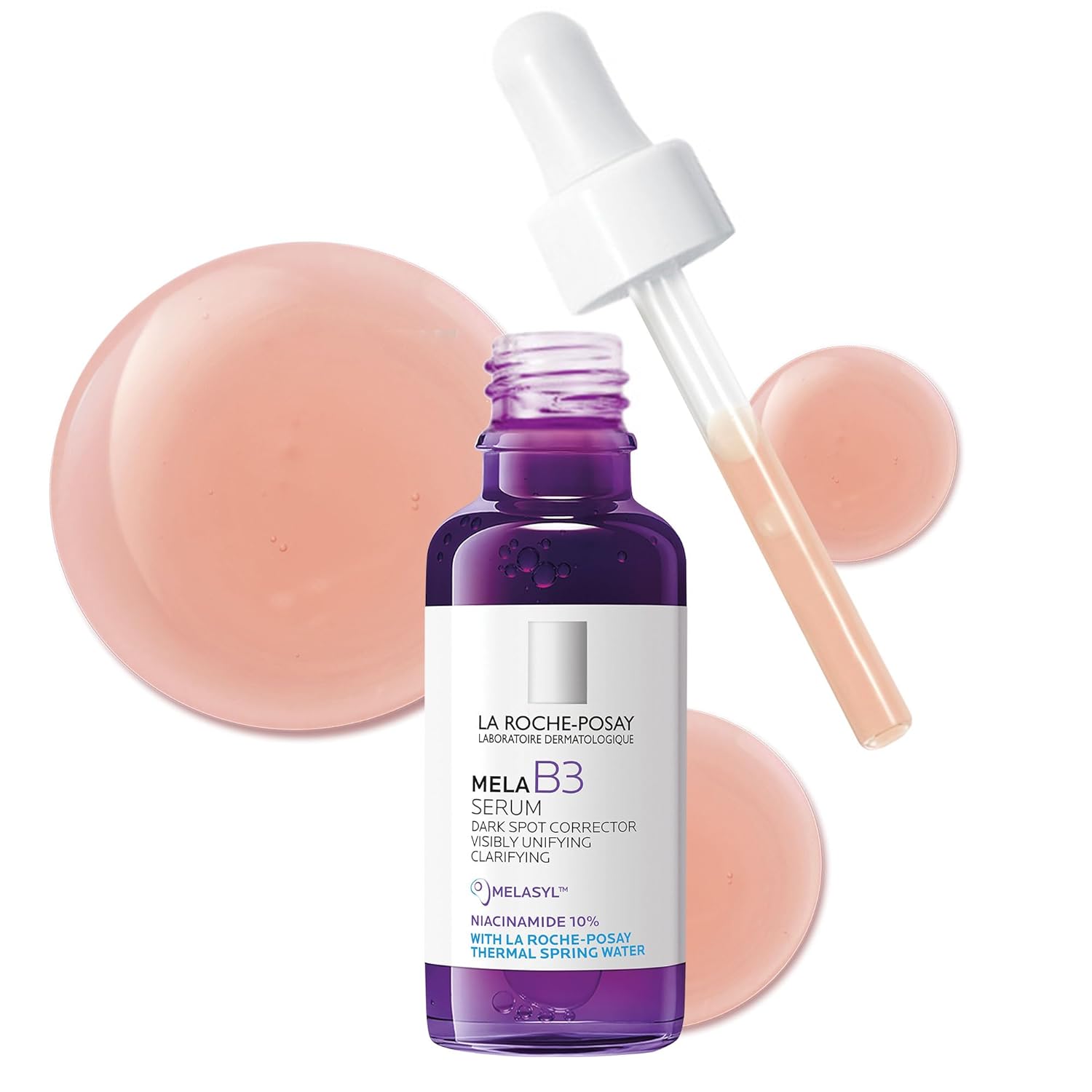
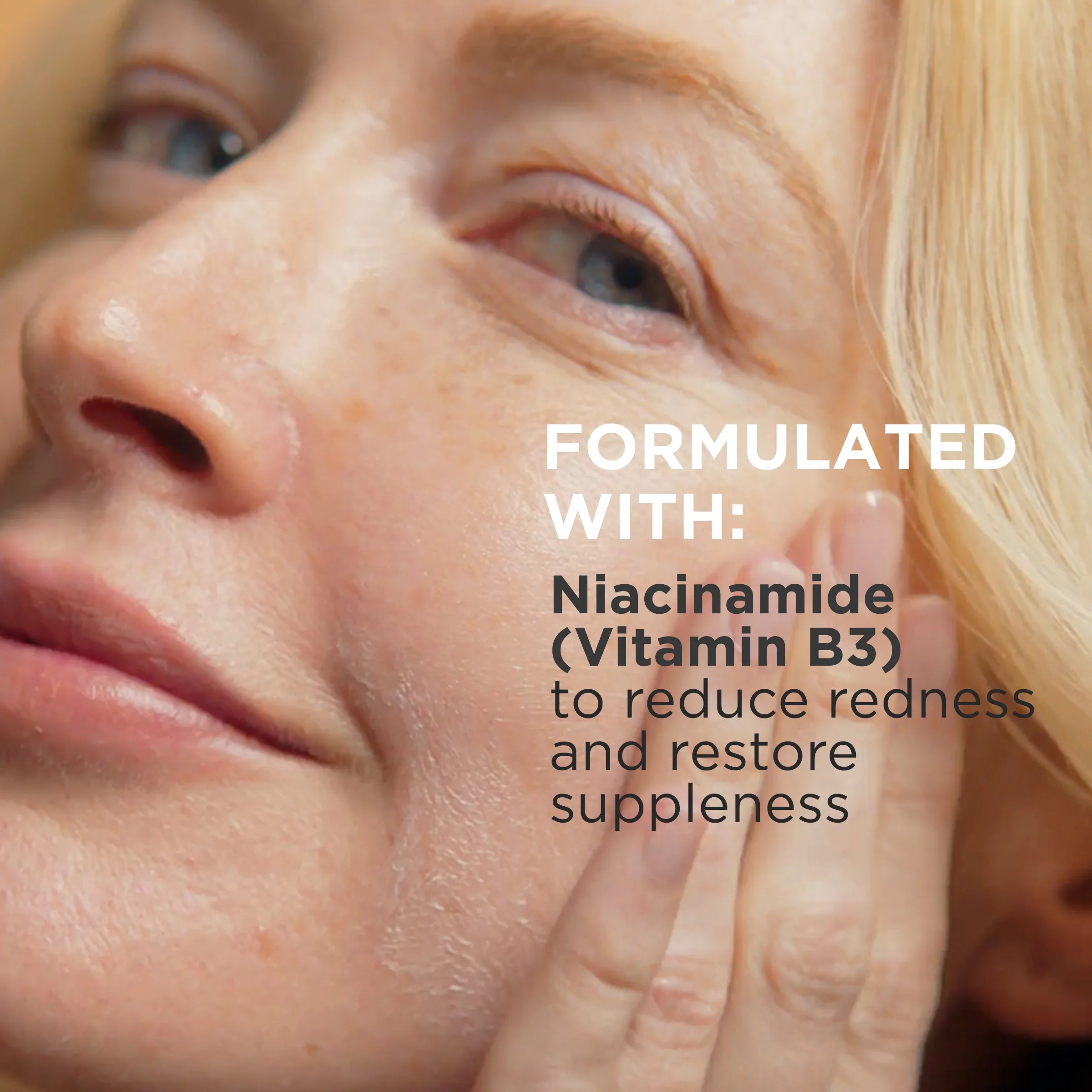
Niacinamide (vitamin B3) is one of the most well-researched ingredients for oily skin, and for good reason. Studies show it can reduce sebum production by up to 30% without compromising barrier function.
How? Niacinamide doesn’t suppress sebaceous glands. Instead, it regulates their activity, helping them produce the right amount of oil for your skin’s needs.
Salicylic Acid (BHA): pore clarification
Salicylic acid is lipid-soluble, meaning it can penetrate into oil-filled pores and exfoliate from within. This makes it particularly effective for oily skin, but it must be used correctly.
Rather than using it daily (which can trigger the strip-and-rebound cycle), use salicylic acid two to three times a week in concentrations of 0.5-2%. The key is patience. Salicylic acid works best when used consistently but moderately, not aggressively.
Zinc: sebaceous regulation
Zinc has natural sebum-regulating and anti-inflammatory properties. It’s particularly effective when taken as a supplement (under medical supervision) or applied topically in products.
Clay: absorption vs regulation
Clay masks – particularly those containing kaolin or bentonite – are excellent for absorbing excess surface oil. But there’s an important distinction between absorption (temporarily removing oil that’s already been produced) and regulation (reducing how much oil is produced in the first place). Clay is a tool for maintenance, not a solution for overproduction.
For a detailed comparison of these powerhouse ingredients, take a deep dive into Niacinamide vs Salicylic Acid: Which Do You Need?
Shop the regulating collection
Our curated selection of dermatologist-recommended products for oily skin are designed to balance sebum without disrupting your barrier.
Do you need moisturizer if you have oily skin?
Let’s address the myth directly: yes, oily skin absolutely needs moisturizer. The misconception stems from confusion about what moisturizer does. It doesn’t add oil to your skin (unless it’s an occlusive oil-based formula). It provides hydration and supports your barrier – both of which are essential regardless of how much sebum you produce.
Why skipping moisturizer worsens oiliness
When you skip moisturizer, several problems emerge:
- Your skin becomes dehydrated (remember: oil ≠ hydration)
- Your barrier weakens without proper lipid support
- TEWL increases
- Your skin compensates by producing more oil, triggering the exact compensatory response you’re trying to avoid.
Non-comedogenic explained
’Non-comedogenic’ means that a product is formulated to not clog pores. For oily skin, this matters because congested pores contribute to breakouts and enlarged pore appearance.
Look for lightweight, non-comedogenic moisturizers that contain:
- Humectants (hyaluronic acid, glycerin) to draw water into skin
- Barrier-supporting ingredients (ceramides, fatty acids)
- Soothing agents (niacinamide, centella asiatica)
Gel vs cream textures
Texture preference is personal, but as a general rule:
- Gel moisturizers: Water-based, lightweight, absorb quickly. Ideal for very oily skin or humid climates.
- Cream moisturizers: Contain more lipids for barrier support. Choose lightweight cream formulas if your skin is oily but barrier-compromised.
How to layer products correctly
The layering order matters to maximise efficacy:
- Cleanse
- Apply water-based treatments (hyaluronic acid serum)
- Apply active serums (niacinamide, salicylic acid)
- Apply moisturizer
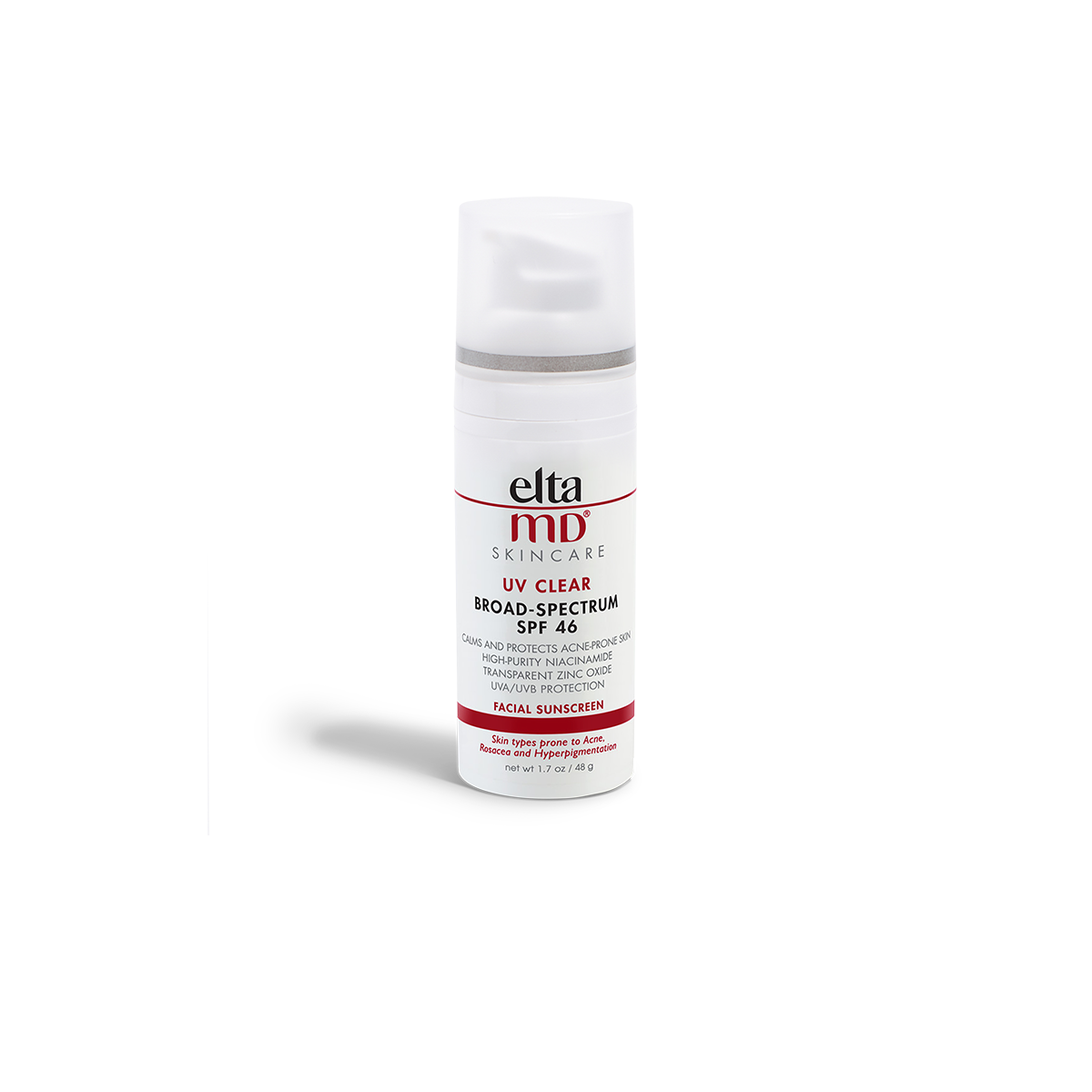
- Apply SPF (morning only)
For a complete breakdown of building an effective routine for oily skin, including product recommendations and timing, head to

Sebum, pores and texture: what’s the connection?
Large pores, oily skin? One of the most frustrating aspects of oily skin is often the appearance of enlarged pores and uneven texture. Understanding the relationship between sebum and pore appearance is essential for managing both effectively.
Why pores appear enlarged
First, a clarification: pore size is largely genetic. You cannot shrink pores permanently. However, you can minimize their appearance by keeping them clear and managing oil production.
Pores look larger when:
- They’re filled with sebum, dead skin cells and debris
- Surrounding skin loses elasticity (often due to sun damage or aging)
- Chronic inflammation causes skin to swell slightly, making pores more visible
Sebaceous filaments vs blackheads
Those tiny grey or yellowish dots on your nose aren’t necessarily blackheads. They’re likely sebaceous filaments – completely normal collections of sebum and dead skin cells in your pores.
The difference:
- Sebaceous filaments: Soft, greyish, flush with skin surface. Normal and expected.
- Blackheads: Oxidized sebum that’s hardened and dark. Slightly raised. A form of acne.
Trying to extract sebaceous filaments aggressively (through squeezing or pore strips) damages your skin without solving the issue. The filaments return within weeks because they’re a normal part of sebum production.
Instead, manage them with:
- Regular gentle exfoliation (BHA 2-3x weekly)
- Clay masks (weekly)
- Double cleansing (oil cleanse followed by water-based cleanser)
Why pores don’t ’open and close’
Despite what you may have read, pores do not open and close in response to temperature. They don’t have muscles. What actually happens: heat can soften sebum, making extraction easier. Cold can temporarily make skin contract slightly. But these are surface-level changes, not fundamental pore behaviour.
Oil oxidation and pore appearance
When sebum sits on the skin’s surface and in pores, it oxidizes (reacts with oxygen), turning darker. This is why excess sebum can make pores look more visible – the oxidized oil creates visual contrast. For targeted advice on managing pore appearance alongside oily skin, check out Skincare for Large Pores.
Can diet or stress affect oil production?
The relationship between lifestyle factors and sebum production is complex and highly individual, so we can’t comment definitively. While skincare plays the primary role in managing oily skin, internal factors shouldn’t be ignored entirely.
High glycaemic load and dairy
The dairy-acne connection gets attention too, though evidence remains mixed. American Academy of Dermatology studies show improvements when people adopt lower-glycaemic diets or eliminate dairy, but results aren’t universal. If you suspect certain foods affect your skin, try eliminating them for six to eight weeks – but don’t expect diet changes alone to transform oily skin.
Stress & sleep
The stress-oil connection is well-established. Chronic stress elevates cortisol, which stimulates sebaceous glands. Many notice skin becomes oilier during exams, deadlines or crises. Poor sleep compounds this by increasing cortisol, disrupting hormones, impairing barrier function and triggering inflammation. Managing stress and prioritising quality sleep can help prevent stress-triggered oil spikes.
The key takeaway: lifestyle factors influence oil production at the margins, but aren’t the primary cause. Focus first on appropriate skincare, then optimize lifestyle as supporting elements.
How to build a balanced routine for oily skin
Here’s the framework for regulating sebum without stripping your barrier:
- Morning: Gentle cleanser, regulating serum (niacinamide or antioxidant), lightweight moisturizer, SPF 30+ (non-comedogenic).
- Evening: Double cleanse if wearing makeup/SPF, targeted BHA exfoliation (2-3x weekly, not daily), treatment serum (niacinamide, azelaic acid or retinoid), lightweight hydration.
- Weekly: Clay mask 1-2x, strategic exfoliation (avoid overdoing it!).
This is a framework, not a prescription. Tailor your routine to your skin’s needs, climate and response to products. For detailed product recommendations and troubleshooting, read our Dermatologist-Approved Oily Skin Routine.
When to see a dermatologist
Seek professional help for sudden unexplained oil increases (possible hormonal changes), severe cystic acne unresponsive to over-the-counter treatments, consistently painful or warm breakouts, or signs of hormone imbalance (irregular periods, sudden adult acne, excess hair growth/loss, skin unresponsive to topical treatments).
Conditions like PCOS and thyroid dysfunction often manifest in skin and a dermatologist can order testing and provide appropriate referrals. Remember: seeking help isn’t failure – it’s recognizing when your skin needs more than topical treatment can provide.
Think balance, not control
Oily skin doesn’t need to be controlled or suppressed – it needs balance. Your sebaceous glands are protecting your skin. When they overproduce, it’s often because harsh treatments have damaged your barrier, dehydration is triggering compensation or hormones are fluctuating.
The solution isn’t stronger products or aggressive cleansing. It’s supporting your skin’s natural regulatory mechanisms with gentle cleansers, barrier-supporting hydration and strategic exfoliation. This is Lighthouse’s approach: clinical, science-backed care that treats your skin as a sophisticated biological system, not a problem to fix.
Shop Our Regulating Collection
Ready to build a balanced routine for oily skin? Our dermatologist-curated collection features clinically proven ingredients that regulate sebum production without compromising your barrier.
Have questions about your specific skin concerns?
Our team is here to help you build the right routine for your unique needs. Take our skincare quiz or explore our library of skincare advice designed to help you understand your skin at a deeper level.