

Have you ever skipped your morning hydration because you were afraid it would leave your face looking like a disco ball by noon? It is one of the most persistent myths in the beauty world: the idea that if your skin is already oily, adding more moisture is just asking for trouble. But what if the secret to balancing your complexion wasn’t skipping the hydration, but simply changing the type of moisturizer you use?
We know that having oily skin can be frustrating, but we’re here to give you the best tips and advice on how to look after it. Our blog Why Your Skin Is Oily: Genetics vs Environment is a good place to start if you want to understand the causes. But in this piece, we’re going to dive into the specifics of finding the right face moisturizer for oily skin.
The big picture: finding your perfect match
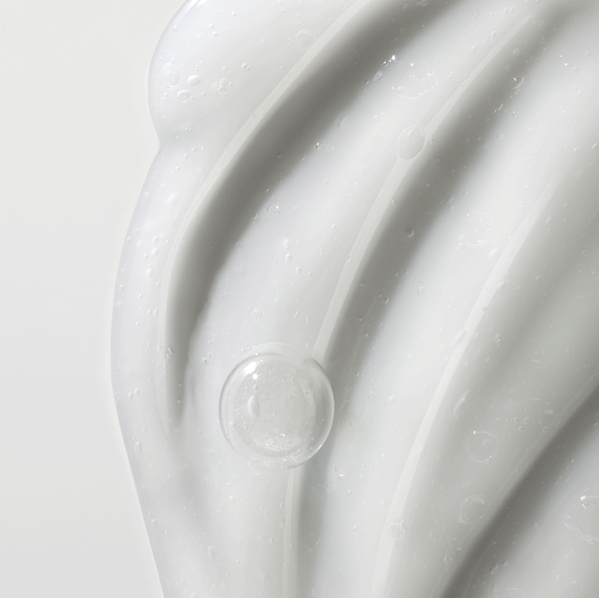
When weighing the benefits of a gel moisturizer vs cream moisturizer, the winner depends entirely on your skin’s unique architecture and your current environment. Generally, the debate comes down to texture and weight.
Gels are water-based, lightweight and cooling, making them the gold standard gel moisturizer for oily skin. Creams, on the other hand, contain a higher concentration of oils and lipids, designed to repair the skin barrier and lock in moisture for those with dry or mature complexions.
Do you really need moisturizer if you have oily skin?
It sounds counterintuitive, doesn’t it? If your sebaceous glands are working overtime, the last thing you want to do is slather on more grease. However, there is a fundamental scientific difference between oil and water.
Oil (sebum) is a waxy substance produced by your glands to protect the skin. Water (hydration) is what keeps your skin cells plump and functioning correctly. When you skip moisturizer, your skin can actually become dehydrated. In response, your brain signals your pores to produce more oil to compensate for the lack of water, leading to a frustrating cycle of breakouts and shine.
By using an oil-free face moisturizer, you provide the hydration your skin craves without adding unnecessary lipids. This balances the skin’s ecosystem, often resulting in a clearer, more matte finish over time.
When to use a gel moisturizer for oily skin

If you struggle with a greasy T-zone or frequent breakouts, a gel is likely your best friend. These products are typically formulated with high concentrations of humectants like hyaluronic acid or glycerin. Our favourite is La Roche-Posay Toleriane Double Repair Matte Moisturizer, a double-action gel that provides shine-free hydration while restoring the skin barrier.
Why gels work for oily and acne-prone types
-
Water-based delivery: They absorb almost instantly, leaving no heavy residue behind.
-
Non-comedogenic skincare: Most gels are designed as a non-comedogenic face moisturizer, meaning they won’t clog your pores or contribute to blackheads.
-
Cooling effect: The high water content provides a soothing sensation, which is excellent for calming inflammation associated with acne.
-
The perfect primer: Because they dry down to a weightless finish, they often act as a smooth base for makeup or a tinted moisturizer for oily skin.
According to the American Academy of Dermatology, choosing the right consistency is key to maintaining the skin’s natural barrier without irritating. For those in humid climates, the breathable nature of a gel prevents that suffocated feeling that heavy creams can cause when the air is thick with moisture.
When to choose a cream moisturizer

While gels are the darlings of the oily-skin world, creams serve a vital purpose. Face cream for oily skin isn’t an oxymoron, but it is usually reserved for specific circumstances. Creams are emulsions of oil and water, containing occlusives like ceramides or squalane that create a physical seal on the skin. We love La Roche-Posay Toleriane Double Repair Moisturizer for these moments.
You might reach for a cream if:
-
The weather turns cold: Winter air siphons moisture from the skin. Even oily types may find they need a bit more protection during the frostier months.
-
You’ve over-exfoliated: If you've been a bit too enthusiastic with your retinoids or AHAs, your skin barrier might be compromised. A cream helps patch up those gaps.
-
Nighttime recovery: Many people prefer a gel by day and a slightly richer noncomedogenic face cream at night to support the skin’s natural repair cycle while they sleep.
Gel vs cream: practical guidance for your skin type

Still undecided? Let’s break it down by the specific needs of your complexion and lifestyle.
For combination skin
The best moisturizer for combination skin often requires a zonal approach. Use a lightweight gel on your oily T-zone and a richer cream on your drier cheeks. Alternatively, a gel-cream hybrid offers the perfect middle ground: breathable hydration with a touch of barrier protection.
For sensitive or reactive skin
The cooling sensation of a gel moisturizer can instantly soothe redness. Just ensure your choice is fragrance-free and formulated for non-comedogenic skincare to avoid triggering a flare-up while you hydrate.
For mature or dehydrated skin
As skin ages and sebum production slows, a non-comedogenic face cream becomes essential. Look for formulas enriched with ceramides and peptides; these provide the structural support and deep lipid replenishment that lightweight gels can’t match.
For active lifestyles and humid climates
If you’re prone to sweating or live in a tropical climate, a gel moisturizer for oily skin is your best bet. It absorbs instantly without beading on the surface, providing a breathable, weightless finish that won’t melt off by noon.
Key ingredients to look for
Regardless of the texture you choose, look for these dermatologist-approved powerhouses:
-
Hyaluronic acid: A humectant that holds 1,000 times its weight in water.
-
Niacinamide: Helps regulate oil production and minimizes the appearance of pores.
-
Ceramides: Essential fatty acids that maintain the skin barrier.
-
Salicylic acid: Sometimes found in face moisturizers for oily skin to help keep pores clear.
A quick comparison at a glance

The importance of non-comedogenic skincare
Whether you choose a gel or a cream moisturizer, the label you should never ignore is non-comedogenic. This term is a must-search for anyone prone to congestion. It indicates that the product has been formulated specifically to avoid ingredients known to block pores.
Choosing a non-comedogenic skincare routine ensures that while you are feeding your skin the hydration it needs, you aren’t inadvertently causing the very breakouts you’re trying to prevent.
The Mayo Clinic emphasizes that using oil-free, non-comedogenic products is a cornerstone of managing acne-prone complexions effectively.
Final thoughts on the gel vs cream moisturizer debate
Your skin is a living organ that changes with the seasons, your stress levels and your age. There is no one-size-fits-all answer, but understanding the mechanics of gel moisturizer vs cream moisturizer allows you to pivot your routine as needed.
If you are struggling with excess shine, start with a high-quality gel moisturizer for oily skin. If you notice dry patches or tightness, don’t be afraid to incorporate a non-comedogenic face cream into your evening ritual.
Still unsure which formula fits your lifestyle?
Navigating the world of face moisturizers for oily skin can be overwhelming, but you don’t have to do it alone. At Lighthouse, we believe everyone deserves expert-guided care. Our team of renowned dermatologists is ready to help you find the best products and routine for your skin.
Take our Skincare Quiz today for personalised product recommendations and routines. Or, browse our selection of dermatologist-approved skincare to find your next holy grail product.