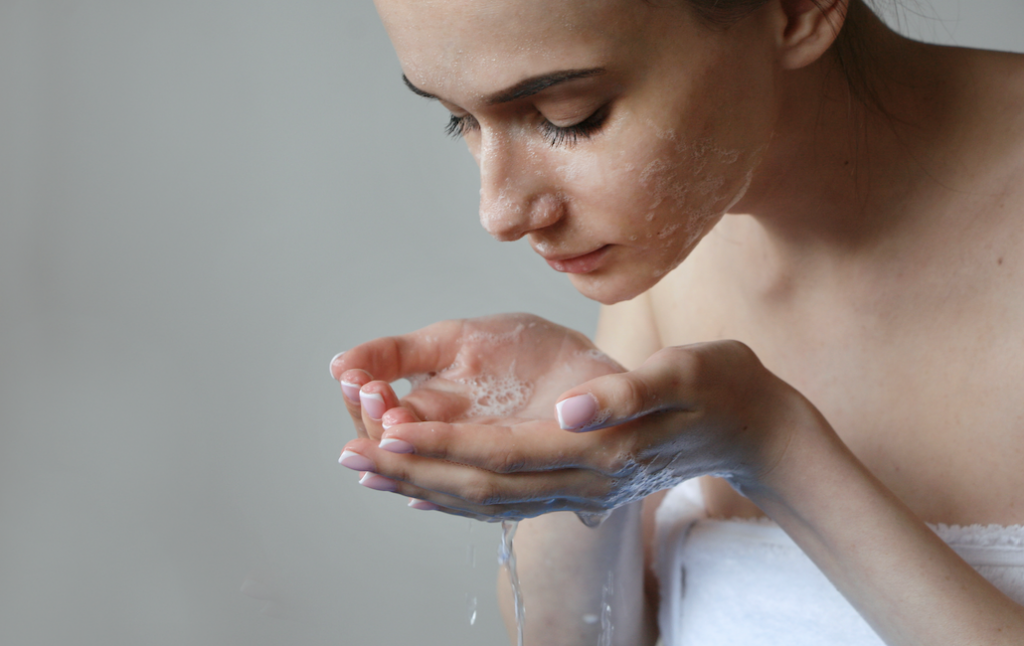


You wake up, touch your face – and there it is again. That slick feeling across your forehead, down your nose, maybe your chin. By noon your makeup has slid off. By evening you‘re blotting for the third time. You‘ve tried mattifying primers, oil-free everything, powder upon powder. Nothing sticks.
But there are so many variables when it comes to what causes oily skin. Perhaps you’re wondering why your T-zone looks like an oil slick in summer but calms down mysteriously in winter. Maybe you’re asking: why did this start at 30 when you sailed through your teens with normal skin? Or your question could be why is my skin so oily when my sister‘s stays matte all day?
Understanding what causes oily skin means looking at two key factors: what you inherited and what‘s happening around you. Sometimes it‘s one. Often it‘s both. Here‘s how to tell the difference and what actually helps.

Is Oily Skin Genetic?
Yes. If both your parents have oily skin, you‘re significantly more likely to produce excess sebum yourself. This comes down to how your sebaceous glands are built and how many you have.
Your sebaceous glands sit just below your skin‘s surface, attached to hair follicles. They produce sebum – the oily substance that keeps skin moisturized and protected. Some people are born with larger, more active glands that simply produce more oil. Others have more glands per square inch of skin, particularly across the face.
This genetic blueprint gets activated at puberty when hormones kick sebaceous glands into higher gear. But the underlying architecture – the size and number of your glands – was determined before you were born.
If you had oily skin as a teenager and still have it now, genetics are almost certainly involved. The good news? A study published in the Journal of Zhejiang University shows that genetic oiliness tends to correlate with slower aging. Those sebaceous glands pumping out oil also help maintain skin thickness and delay wrinkle formation – a small consolation when you‘re blotting at lunch, but worth noting.
What Hormone Causes Oily Skin?
If you’re wondering what is the hormone that influences the production of sebum, there are two possibilities: androgens or cortisol. Let’s have a look at both.
Androgens
Androgens – particularly testosterone and its more potent derivative, DHT (dihydrotestosterone) – are the primary hormones that influence sebum production. Both men and women produce these hormones, although levels vary.
When androgen levels rise, they bind to receptors on sebaceous glands and signal them to produce more sebum. This is why oily skin often coincides with hormonal shifts:
-
Puberty floods the body with androgens, which is why teenagers suddenly develop oily skin and acne when their childhood skin was relatively balanced.
-
Menstrual cycles cause fluctuating hormone levels. Many women notice increased oiliness in the week before their period when progesterone rises and estrogen drops, shifting the androgen-to-estrogen ratio.
-
Pregnancy can go either way. Some women experience glowing, balanced skin because of higher estrogen. Others get oilier as progesterone and androgens increase to support the pregnancy.
-
Polycystic ovary syndrome (PCOS) involves elevated androgens, which often translates to persistent oily skin and acne.
Cortisol
Cortisol – your stress hormone – also triggers sebum production. When you‘re chronically stressed, cortisol levels stay elevated and your sebaceous glands respond by producing more oil. This is why your skin might look greasier during high-pressure work periods or emotionally difficult stretches.
Can Humidity Cause Oily Skin?
Yes. High humidity doesn‘t just make existing oiliness more visible, it actually stimulates your sebaceous glands to produce more sebum.
When humidity is high, your skin‘s natural moisture evaporation slows down. Your body interprets this as adequate hydration and may not need to produce as much natural moisture barrier. But paradoxically, the heat that usually accompanies humidity triggers more oil production. The result: skin that feels both sticky and greasy.
If you live in a humid climate or notice seasonal changes, this isn‘t something you can prevent through willpower. But you can adjust your routine to manage it better. Read on to find out how.
What Causes Sebum Production Beyond Hormones and Environment?
Even if your genetics and hormones are stable, environmental factors can push sebum production into overdrive.
Skincare products can backfire
Using harsh cleansers that strip your skin signals sebaceous glands to produce more oil to compensate. Over-exfoliating has the same effect. So does skipping moisturizer because you think oily skin doesn‘t need it – your glands ramp up production when skin feels dehydrated.
Diet may contribute
Some studies suggest high-glycemic foods (refined carbs, sugar) and dairy can increase sebum production in certain people by affecting insulin and hormone levels. The connection isn‘t universal, but if you notice your skin gets oilier after specific foods, it‘s worth paying attention.
Medications
Some birth control pills, steroids and certain antidepressants can increase oiliness as a side effect. If you’ve noticed a change in your skin after starting a new medication, this could be a contributing factor. If this happens, it’s worth speaking to your healthcare provider or dermatologist about possible alternatives or ways to manage it.
How To Manage Oily Skin: Genetic or Environmental
Whether your oiliness comes from DNA, hormones or your surroundings, the management strategy overlaps significantly. These are the simple steps we recommend to manage what causes oily skin.
Cleanse gently, not aggressively
Harsh cleansers strip your skin and trigger rebound oil production. Look for gentle gel or foam cleansers with salicylic acid (BHA) which penetrates pores and regulates sebum without over-drying (more on this later).
Use a lightweight moisturizer
Oily skin still needs hydration. Skipping moisturizer signals your glands to produce more oil. Choose oil-free, non-comedogenic formulas with niacinamide, which helps regulate sebum production while supporting your skin barrier.
Don‘t over-exfoliate
Two to three times weekly is plenty, even for oily skin. Daily exfoliation damages your barrier and paradoxically increases oiliness.
Consider retinoids
Retinoids regulate sebaceous gland activity and can reduce oil production over time. They also help prevent the congestion that often accompanies oily skin.
Blotting papers over powder
Layering powder throughout the day can clog pores. Blotting papers absorb excess oil without adding product.
Which Facewash Is Best For Oily Skin?
The best facewash for oily skin balances effective cleansing with gentleness. Look for these characteristics:
-
Gel or foam texture that rinses clean without leaving residue. We love La Roche-Posay Toleriane Purifying Foaming Facial Wash or Under Skin Perfect Gentle Cleanser.
-
Salicylic acid (BHA) to penetrate pores and regulate sebum. And look for pH-balanced formulas that won‘t disrupt your skin‘s natural acidity. Avoid sulfates (SLS, SLES) which are too harsh despite feeling satisfyingly squeaky-clean. SkinMedica AHA/BHA Exfoliating Cleanser is perfect.
-
Avoid ‘oil-free’ marketing alone as your decision point. Many oil-free cleansers are still too harsh. Focus on ingredient lists rather than claims. Learn more in The Ultimate Science-Backed Skincare Ingredients Glossary: What Actually Works (and Why).

Frequently Asked Questions About Oily Skin
Does oily skin ever go away?
Sebum production naturally declines with age, particularly after menopause. Many people find their oily skin becomes more balanced in their forties and fifties. However, if your oiliness is primarily genetic, you’ll likely always produce more sebum than someone with naturally dry skin – just less than when you were younger.
Can drinking more water reduce oily skin?
Drinking water supports overall skin health but won’t directly reduce sebum production. Oily skin is caused by sebaceous gland activity regulated by hormones and genetics, not dehydration. However, properly hydrated skin (through moisturizer) may prevent your glands from overcompensating with excess oil.
Why is my skin oily but also dehydrated?
Oily skin produces excess sebum (oil), while dehydrated skin lacks water. You can have both simultaneously. This often happens when harsh products strip away both oil and your skin’s ability to retain moisture. The solution is gentle cleansing plus lightweight, water-based hydration.
Should I avoid all oils if I have oily skin?
Not necessarily. Lightweight, non-comedogenic oils like squalane or rosehip can provide moisture without clogging pores. Heavy oils like coconut oil typically make oily skin worse. Many people with oily skin do better with oil-free moisturizers, but oil-based products aren’t universally problematic.
Does stress really make skin oilier?
Yes. Stress increases cortisol production, and cortisol directly stimulates sebaceous glands to produce more sebum. Managing stress through sleep, exercise or other techniques can genuinely improve oily skin, though it won’t eliminate genetic or hormonal oiliness entirely.
Can birth control help with oily skin?
Certain types of birth control can reduce oily skin by lowering androgen levels. Menopause Review research shows that pills containing anti-androgen progestins (like drospirenone) are sometimes prescribed specifically for oily skin and acne. However, other types can make oiliness worse. If hormonal oiliness is a concern, discuss options with your dermatologist or doctor.
Why Is My Skin So Oily: The Final Word
Oily skin happens because of genetics, hormones, environment or some combination. You can‘t change your DNA or the number of sebaceous glands you were born with. But you can manage how actively those glands produce oil through skincare choices, lifestyle adjustments and sometimes medical intervention.
The key is working with your skin rather than against it. Stripping oil aggressively just triggers more production. Accepting that some oiliness is normal for your skin type and managing it gently produces better results than waging war on your sebaceous glands.
Your face isn‘t betraying you. It‘s just doing what it was built to do – sometimes a little too enthusiastically.
Build A Routine That Works With Your Skin
At Lighthouse, every product is selected by dermatologists for proven efficacy and real results. Our formulations support your skin‘s natural biology rather than fighting against it.
Ready to manage oily skin with products that actually work? Explore our Regulating Collection
Or take our skin quiz to discover which products will help balance your specific skin concerns. Take the skin quiz