
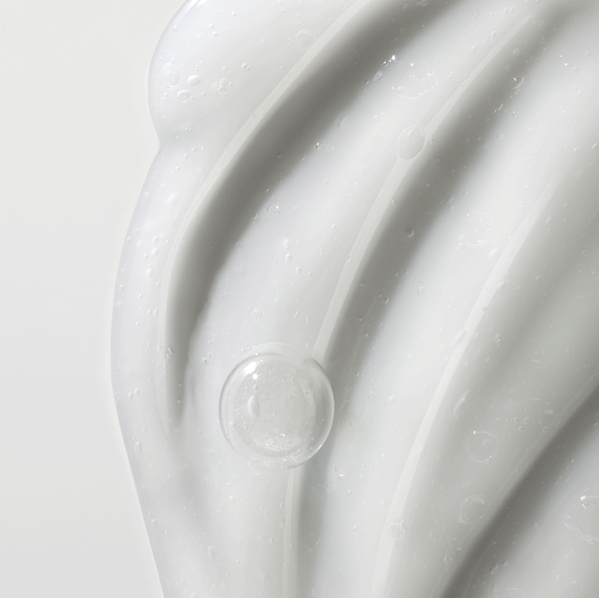


We’ve all been there. You’ve just finished your morning ritual, your skin is looking radiant, and you’re feeling like a 10. Then, you go to blend in your favorite foundation or tinted SPF, and it happens: tiny, grayish, rubbery flakes start balling up and rolling off your cheeks.
It’s called pilling, and in the world of luxury skincare, it’s the ultimate buzzkill. Not only is it messy, but it also means your expensive products aren’t actually absorbing: they’re just sitting on the surface, clumping together.
At Lighthouse, we believe your skincare should be a seamless experience, not a struggle. We’ve curated a selection of the world's most effective medical-grade brands – from Revision Skincare to EltaMD – specifically because of their sophisticated delivery systems. But even the best formulas can pill if the ritual isn’t quite right.
Our consulting dermatologists are here to break down the science of why your products are clashing and how to ensure your glow stays on your face, where it belongs.
As ever, we have ALL the answers (and once you know what to do, it’ll become second nature).
What Exactly is Skincare Pilling?

First, let’s dive into what’s going on. In scientific terms, pilling is a failure of product-to-skin adhesion. It occurs when the ingredients in your skincare or makeup fail to bond with the skin and instead bond with each other.
This is often a result of polymer interference. Many modern skincare products and primers use film-forming agents (like silicones or carbomers) to create a blurred or velvety texture. If these films are disturbed before they have a chance to set, or if they are layered over something they don’t chemically like, they lose their integrity and clump into those frustrating little pills.
Why Is My Skincare Pilling? The 5 Main Culprits
If this is happening to you and you’re frustrated with seeing those tiny flakes, the answer usually boils down to a conflict of chemistry, timing or technique. Here is what our dermatologists identify as the top offenders.
1. The Oil and Water Conflict
It’s a fundamental rule of chemistry: oil and water don’t mix. Many high-end serums are water-based (look for aqua as the first ingredient), while many rich moisturizers and foundations are oil- or silicone-based.
If you apply a water-based serum and immediately follow it with a heavy, oil-based cream, the two formulas can’t get along. This lack of cohesion causes the top layer to slide around and eventually ball up. To fix this, always check the base of your products to ensure they are compatible.
2. The Silicone Stack
Silicones (like dimethicone and cyclopentasiloxane) are beloved for their ability to fill in pores and give skin a silky feel. However, silicones are occlusive: they are designed to sit on top of the skin to lock in moisture.
If your serum, your moisturizer and your primer all contain high levels of silicone, you are essentially stacking plastic-like layers on top of each other. Eventually, that stack becomes too heavy and unstable. When you apply your foundation, the friction causes the entire silicone sandwich to slide off in flakes.
3. The Makeup Trigger: Mechanical Friction
This is arguably the most common cause of pilling. You might find that your skincare looks perfect until you start your makeup. Why? Because makeup application involves friction.
When you use a brush to buff in foundation or your fingers to blend concealer, you are physically pulling at the layers underneath. If those layers haven’t fully absorbed into the stratum corneum, the physical movement of the makeup brush acts like an eraser, rubbing the product right off your skin.
4. Using Too Much Product (The Saturation Point)
Luxury skincare is highly concentrated. If you’re using a ‘more is better’ approach, your skin can reach its saturation point. Your skin is like a sponge; once it’s full, the excess has nowhere to go but to sit on the surface. That leftover residue is exactly what turns into pills the moment you try to add another layer.
5. Dehydrated or Unexfoliated Skin
Sometimes, the problem isn’t the product; it’s the canvas. If you have a buildup of dead skin cells (hyperkeratosis), your skincare products can’t penetrate effectively. Instead, the product hitches a ride on those dry flakes, clumping together as you move your fingers across your face.
Ingredients to Watch Out For
If you’re experiencing chronic pilling, flip your bottles over and check the ingredient list for these high-risk components:
-
Silicones: Great for blurring, but notorious for clashing with water-based products.
-
Carbomers: These are thickening agents often found in gels. They are sensitive to pH changes and salts on the skin, which can cause them to clump into flakes.
-
Xanthan Gum: Often used as a stabilizer, too much of this can create a film that peels off if rubbed too vigorously.
-
Large Molecule Hyaluronic Acid: High-molecular-weight HA stays on the surface of the skin. If it’s not formulated with smaller molecules or locked in correctly, it can dry into a film that pills under foundation.
-
Mineral Sunscreens: Zinc oxide and titanium dioxide are physical blockers. Because they are meant to sit on top of the skin, they are very prone to pilling if layered over oily serums.
How to Stop the Pilling: The Lighthouse Ritual
Here’s the good news: You don’t need to throw away your favorite products. Instead, follow these dermatologist-approved steps for a seamless finish.
Step 1: Exfoliate Regularly
To ensure absorption, you need a smooth surface. Use a gentle professional-grade exfoliant like the SkinMedica AHA/BHA Exfoliating Cleanser two to three times a week. This removes the barrier of dead skin cells, allowing your serums to sink in rather than sit on top.

Step 2: The ‘Thinnest to Thickest’ Rule
Always apply products in order of consistency for maximum effect. Always start with watery toners, move to thin serums, then lotions and, finally, heavy creams or SPF.
Step 3: Wait for the ‘Dry Down’
One of the most common causes of pilling is rushing your skincare routine. Our dermatologists recommend waiting 60 to 90 seconds between each skincare step, and a full two minutes before applying makeup. This allows the film-formers to set so they won’t be disturbed by the next layer.
Step 4: Pat, Don’t Rub
Friction is the enemy. Instead of rubbing your moisturizer in circular motions, try pressing or patting it into the skin. When it’s time for makeup, use a damp beauty sponge and a stippling (tapping) motion rather than dragging a brush across your face.
Step 5: Match Your Bases
The golden rule: Like goes with like. If your primer is water-based (check the first three ingredients), use a water-based foundation. If you use a silicone-heavy primer with a water-based foundation, pilling is almost guaranteed.
Expert Product Pairings from Lighthouse
To help you avoid the foundation roll-off, we’ve put together three dermatologist-vetted pairings from our that are specifically designed to play well together.
| Concern | Brightening |
| Serum | Revision C+ Correcting Complex 30% |
| Moisturizer/SPF | EltaMD UV Clear SPF 46 |
| Why it works | The Revision serum uses a stable, non-sticky form of vitamin C that absorbs deeply, leaving a perfect matte surface for EltaMD’s legendary zinc-based protection. |
| Concern | Hydration |
| Serum | SkinMedica HA5 Rejuvenating Hydrator |
| Moisturizer/SPF | La Roche-Posay Toleriane Double Repair |
| Why it works | HA5 uses five types of hyaluronic acid that cross-link into the skin, preventing the slimy film that causes pilling under moisturizers. |
| Concern | Anti-Aging |
| Serum | Under Skin Advanced Retinol Restorer |
| Moisturizer/SPF | Revision D.E.J Night Face Cream |
| Why it works | Both brands use advanced delivery systems that ensure active ingredients reach the target layers rather than sitting on the surface. |
The Bottom Line
Skincare pilling is frustrating, but it’s usually a mechanical issue rather than a sign that the products you’re using aren’t right for you. By understanding the chemistry of your layers (and giving your skin the time it needs to drink them in) you can ensure your routine delivers the flawless finish you deserve.
Explore the full Lighthouse Collection for formulas designed for perfect absorption.
FAQ: Quick Answers
Q: Why does my SPF always pill?
A: SPF contains large molecules that stay on top of the skin. It’s likely reacting to an oil-based moisturizer underneath. Try a lighter moisturizer or wait five minutes before applying your sun protection.
Q: Can I still use silicones?
A: Absolutely! They are excellent for protecting the skin barrier. Just avoid ‘stacking’ multiple silicone-heavy products in one routine.
Q: Does pilling mean the product isn’t working?
A: Put it this way: a serum can’t brighten your skin if it’s rolling off your chin. Pilling is a sign of poor absorption. When your products clump together, the active ingredients are essentially locked out, meaning they’re doing more for your bathroom counter than they are for your complexion.