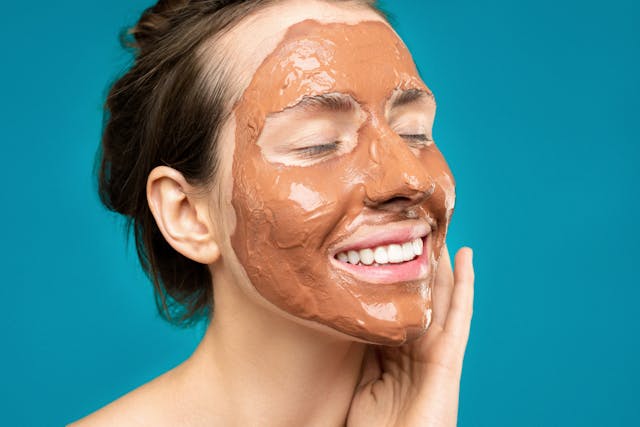


Clay masks aren’t just another skincare trend – they’re a ritual with roots that stretch back millennia. From Egyptian queens using Nile mud to Roman bathers indulging in mineral-rich clays, people across cultures have turned to the earth itself to purify, restore and renew.
Today, whether you’re a Gen Z beauty explorer or a millennial seeking dermatologist-approved results, the humble clay mask still earns its place in your routine. Reliable, effective and universally beneficial, it brings clarity to congested skin and radiance to tired complexions. But what do clay masks actually do, how do they work and how can you use them to unlock their full potential? Let’s take a closer look.
What Do Clay Masks Do?
Clay masks work by drawing out impurities from the skin, absorbing excess oils and refining the appearance of pores. Depending on the type of clay, they can also soothe inflammation, calm redness and leave skin feeling soft, balanced and refreshed.
Why Clay Masks Are Your Skin’s Best Friend
Clay masks do more than just feel indulgent – they actively support your skin’s health, clarity and radiance. Here’s what they can do for you:
-
Detoxify by drawing out impurities and replenishing essential minerals
-
Boost circulation and encourage natural lymphatic drainage
-
Soothe, calm and revitalize tired, stressed skin
-
Refine pores and help reduce blackheads for a smoother complexion
-
Reduce inflammation, redness and irritation
-
Enhance overall skin tone and texture for a healthier glow
-
Leave skin feeling refreshed, invigorated and deeply cleansed
-
Create a ritual of self-care that supports confidence and clear, radiant skin.
You’re in excellent company when you indulge in clay – these earthy masks aren’t just a trend, they’ve been cherished for centuries. Ancient Egyptians swore by Nile mud to cleanse and nourish their skin, while Roman bathers used mineral-rich clays for detoxifying rituals. Traditional Asian medicine has long celebrated the purifying and healing properties of earth-based clays.
Part of the appeal has always been ritualistic. Applying a clay mask isn’t just about skincare – it’s a moment of pause. Spreading the cool, earthy paste across your face, feeling it tighten and then rinsing it away creates a mini-ceremony of self-care. It’s grounding, meditative and oddly satisfying.
How Does a Clay Mask Work?
Clay masks are packed with natural minerals and come in powders, gels, creams and pastes. Their magic lies in their ability to attract and bind impurities – think dirt, excess sebum and dead skin cells – acting like a magnet to unclog pores and refine texture.
Certain clays, such as kaolin or bentonite, also stimulate circulation, leaving skin looking bright and revitalized. While clay is especially helpful for oily or acne-prone skin, different types suit different needs.
Types Of Clay And Origins
-
Kaolin clay: gentle and soothing, perfect for sensitive or dry skin
-
Bentonite clay: a powerful detoxifier, ideal for oily and acne-prone skin
-
French green clay: mineral-rich and balancing, great for combination skin
-
Rhassoul clay: from Morocco, enhances circulation and mineral absorption
-
Freshwater silt: soft and calming, hydrates while drawing out impurities
What Type of Clay Should You Use for Each Skin Type?

Combination-to-oily skin
Opt for green or white kaolin clay. Both absorb excess oil while gently exfoliating and calming inflammation. Bentonite clay is another strong choice, as it detoxifies clogged pores and removes excess sebum effectively.
Dry skin
Fuller’s Earth clay works well for dry skin thanks to its hydrating properties. It helps retain moisture without feeling heavy or greasy. Kaolin clay is also ideal, soothing inflammation and smoothing the skin’s texture.
Acne-prone skin
Bentonite clay is excellent for acne-prone skin, offering antimicrobial and exfoliating benefits to help reduce breakouts. Green clay also works well, removing impurities while preserving necessary moisture levels.
Sensitive skin
Kaolin clay is gentle enough for sensitive skin, reducing inflammation while softening and smoothing the complexion.
All skin types
Moroccan rhassoul clay is perfect for a deep cleanse, extracting dirt from pores without over-drying, making it suitable even for dryness-prone skin. Dead Sea clay purifies and gently exfoliates, working well across all skin types.
Freshwater silt is another versatile option – mineral-rich and nourishing, it detoxifies while balancing hydration for sensitive, normal or combination skin.
Are Clay Masks Good for Acne?
Yes – but with nuance. Clay masks work best for mild to moderate acne, oily skin and clogged pores. They remove excess oil, reduce inflammation and refine pores. For sensitive or dry skin, choose gentler formulas to avoid over-drying. Each clay has its own strengths – match the mask to your skin type and goals for the best results.
Want more skincare advice for acne? Read Your Ultimate Guide to Acne: Skincare, Triggers, and Solutions.
A Gentle Approach To Deep-Cleansing Clay Masks
Clay masks have been a trusted ritual for centuries, prized for detoxifying, balancing oil and refining pores. Revision Pore Purifying Clay Mask is a modern take on this ancient practice, combining time-honoured benefits with contemporary skincare science.
Its key ingredient, freshwater silt, sourced from lakes in Eastern Europe, deeply cleanses the skin without leaving it stripped or reactive. Used consistently, the mask enhances texture, clarity and radiance over time.

How To Apply Revision Pore Purifying Clay Mask
Think of it as a mini reset: 10 quiet minutes, a layer of earth on your skin and a moment to pause while it works its magic. Here’s how to get the most from the practice.
Step 1: Cleanse
Always begin with fresh skin. A gentle cleanse removes makeup, sunscreen and impurities, setting the stage for the clay to do its best work.
Step 2: Apply With Care
Using fingertips or a brush, spread a thin, even layer over your face, avoiding the delicate eye and lip area. Smooth it on like you’re painting in calm.
Step 3: Timing Is Everything
The big question: how long to leave clay mask on? The sweet spot is usually five to 15 minutes. Oily or acne-prone skin can stretch towards 15, while sensitive types should rinse at the first sign of tightness. The goal is gently taut – not desert-dry and cracking.
Step 4: Rinse And Restore
Remove with lukewarm water and, if needed, a soft cloth. Pat (never rub) your skin dry.
Step 5: Hydrate
Always follow with a moisturizer to rebalance and lock in hydration after detoxifying. We love La Roche-Posay Toleriane Double Repair Moisturizer for lightweight soothing protection.
If you’re asking ‘how often for clay mask’, consistency matters more than overdoing it. Here’s how to tailor frequency to your skin type:
-
Oily or acne-prone: two to three times per week
-
Combination: one to two times per week
-
Sensitive or dry: once a week: or every other week if your skin feels easily stripped.
Clay masks are more than a pampering ritual – they’re a results-driven skincare tool. Used wisely, they balance oil, unclog pores and refine texture, leaving skin visibly healthier and glowing. Whether you’re new to masks or a seasoned skincare enthusiast, understanding how to use clay masks transforms them from a trend into a reliable ally. Shop Revision Pore Purifying Clay Mask to get started.